Easy Carbonara
This post may contain affiliate links. Please read my disclosure policy.
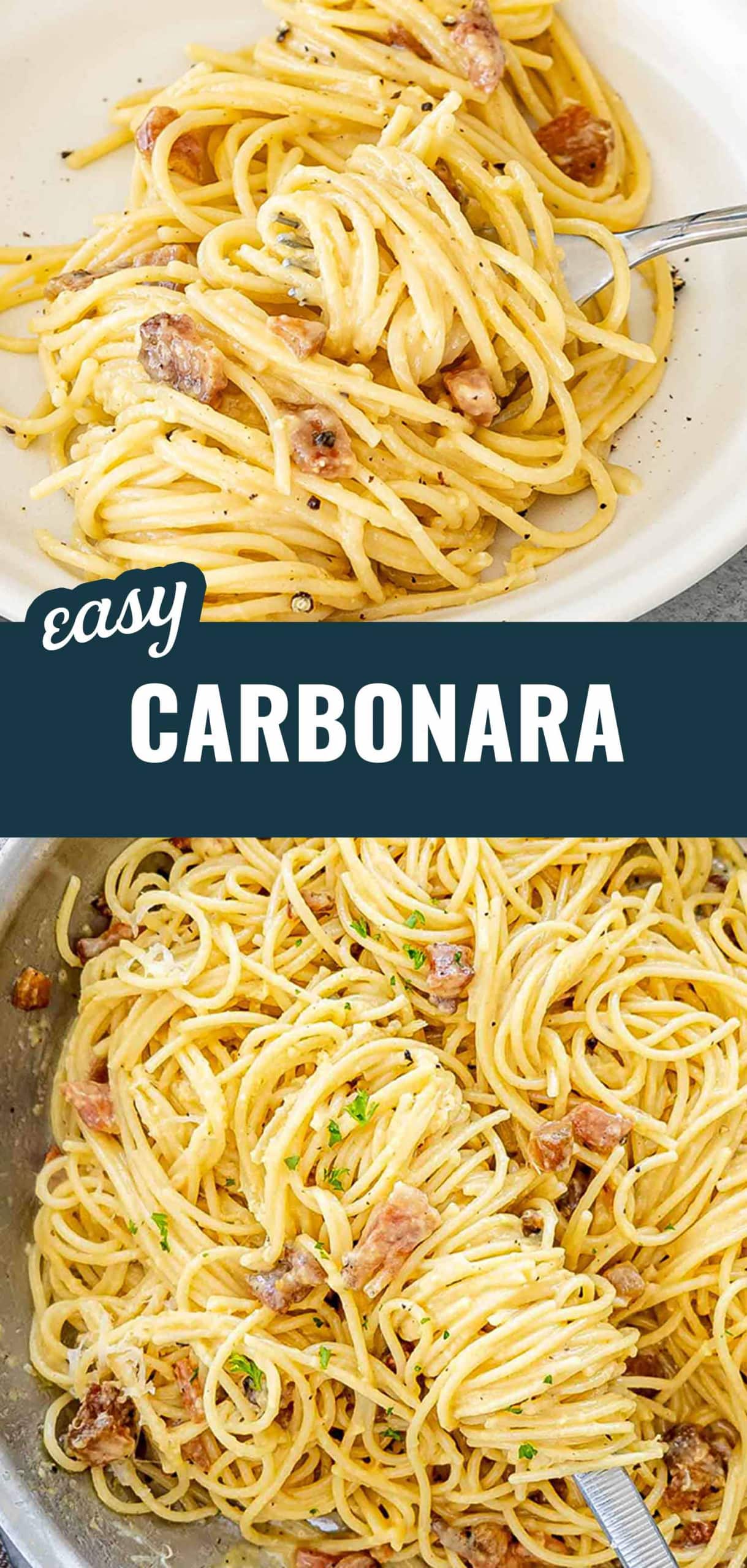
Let’s talk about Carbonara, the OG of creamy pastas, without a drop of cream in sight. Just crispy guanciale, silky egg sauce, and salty Pecorino Romano wrapped around strands of perfectly cooked spaghetti. Simple? Yes. Easy to mess up? Also yes. But don’t worry, I’ll walk you through it so you get a velvety, rich Carbonara that clings to your noodles like it’s supposed to.
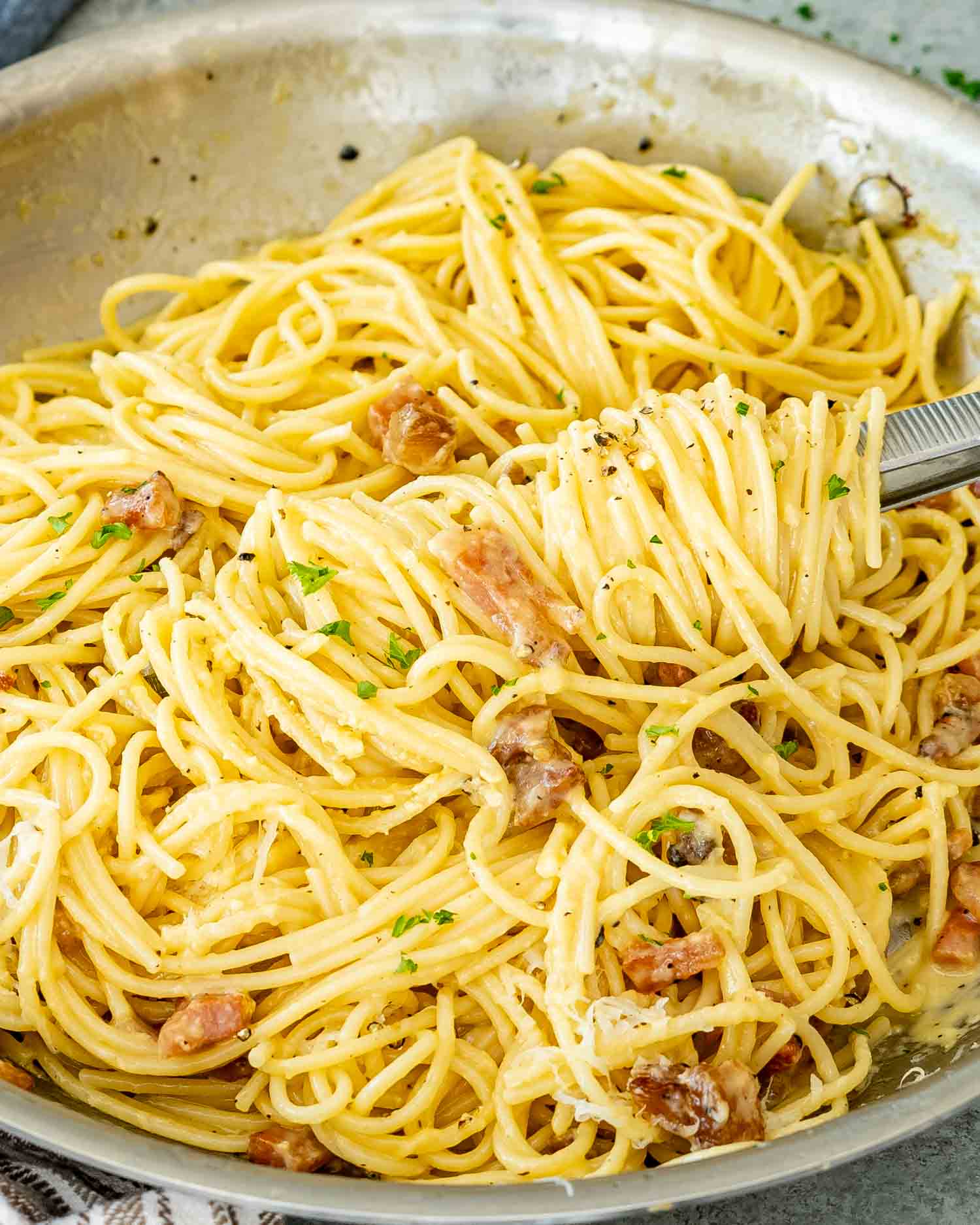
The Easiest Carbonara Recipe
Carbonara is one of those dishes that looks deceptively simple, yet somehow, people keep messing it up. Too dry, too soupy, scrambled eggs instead of that glossy, creamy sauce, I’ve seen it all. But trust me, once you understand why this dish works the way it does, you’ll never struggle again.
I’ve tested this recipe more times than I can count (because let’s be honest, I’ll take any excuse to eat Carbonara), and I’m going to walk you through every little detail, from choosing the right ingredients to nailing that perfect emulsified sauce. No cream, no shortcuts, just pure, silky perfection in 20 minutes.
Before You Start
- Use guanciale if you can. Pancetta is a great substitute, but guanciale (cured pork cheek) gives Carbonara its signature deep, porky flavor. Bacon? It’ll work, but it won’t taste quite the same.
- Fresh eggs + Pecorino = the real deal. There’s no cream in Carbonara, just eggs, Pecorino Romano, and pasta water working together to create that velvety sauce. Parmesan is a decent sub, but Pecorino is sharper and saltier, which is exactly what you want.
- Timing is everything. The heat from the pasta cooks the eggs, not the stove. This means once you drain the pasta, you need to move quickly, if the pasta cools too much, the sauce won’t emulsify properly.
- Reserve your pasta water. This is non-negotiable. A splash of that starchy water will help loosen the sauce and give it that glossy, restaurant-quality finish.
- Use a big enough pan. You need space to toss everything together quickly and evenly, a crowded pan means uneven sauce distribution, and no one wants that.
- Carbonara waits for no one. Once it’s done, serve immediately. This dish is at its best fresh off the stove, leftovers just won’t have the same magic.
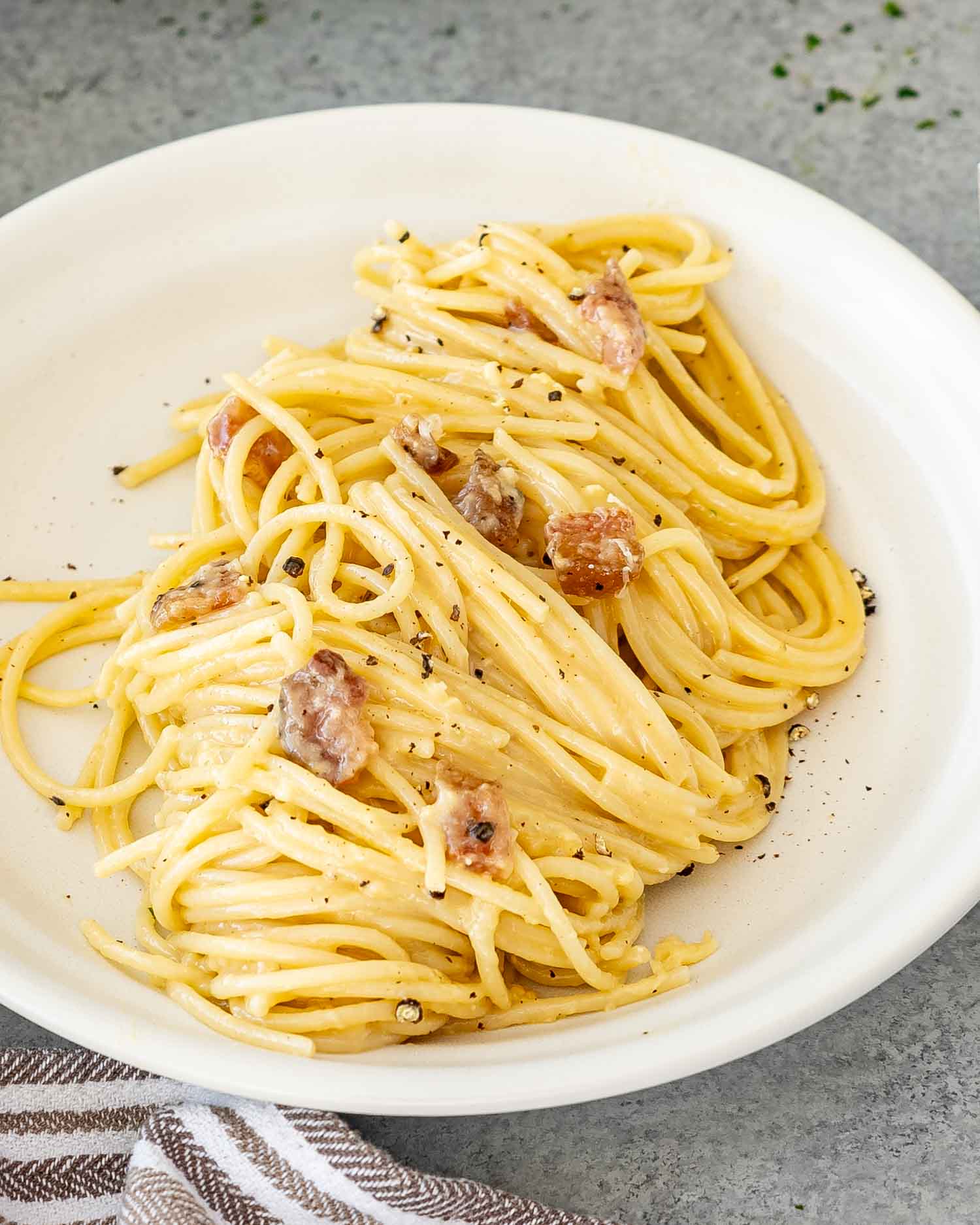
Why This Recipe Works
- No cream, no nonsense – Authentic Carbonara relies on eggs, cheese, and pasta water for the ultimate sauce.
- Guanciale = the real deal – Pancetta works, but guanciale gives that deep, porky richness.
- Hot pasta = creamy (not scrambled) eggs – The key is using residual heat to emulsify, not cook.

Ingredients (What Matters & Why)
- Spaghetti: Traditional, simple, and perfect for Carbonara. The starches in spaghetti help create that glossy, emulsified sauce. Bucatini (hollow spaghetti) is another great choice if you like a chewier bite and extra sauce clinging to the noodles.
- Guanciale or Pancetta: This is the soul of Carbonara.
- What it is: Guanciale is cured pork cheek, fatty, intensely flavorful, and richer than pancetta or bacon. When cooked, it releases liquid gold fat that coats the pasta and helps form the sauce. Unlike bacon, it’s not smoked, so you get pure, salty, umami-packed pork flavor.
- Where to buy it: Most Italian delis carry it, and you can sometimes find it in gourmet grocery stores. If you can’t get guanciale, pancetta is the next best thing, same idea, but made from pork belly, so a little leaner.
- Can you use bacon? Yes, but it won’t be as authentic. If you do, use thick-cut, unsmoked bacon, and know that the smoky flavor will change the dish slightly.
- Eggs: Fresh, high-quality eggs are key because they make up the entire sauce. I use 3 large eggs for a rich, silky texture without making it too heavy. Some recipes use just yolks, but I prefer whole eggs for the perfect balance of creaminess and structure.
- Pecorino Romano Cheese: This is the cheese of choice for Carbonara, sharper, saltier, and more intense than Parmesan.
- What it is: A hard, aged sheep’s milk cheese with a strong, tangy bite. It’s saltier than Parmesan, which means you won’t need much extra salt in the dish.
- Where to buy it: Found in most grocery stores in the specialty cheese section, but if you want the best quality, check Italian markets or cheese shops. Look for one labeled DOP (Denominazione di Origine Protetta) to ensure it’s the real deal.
- Can you substitute Parmesan? You can, but the flavor will be milder and nuttier rather than salty and sharp. If using Parmesan, add a pinch more salt to balance the flavor.
- Freshly Ground Black Pepper: This isn’t just seasoning, it’s a major flavor component. Freshly ground black pepper brings warm, spicy depth that balances the richness of the sauce. Go heavy-handed with it!
- Salt: Since Pecorino Romano and guanciale are both naturally salty, you don’t need much. Lightly salt your pasta water but go easy elsewhere until you taste the final dish.
- Pasta Water: The secret ingredient. The starch in pasta water helps bind the sauce and make it ultra-silky. Always reserve at least 1 cup before draining.
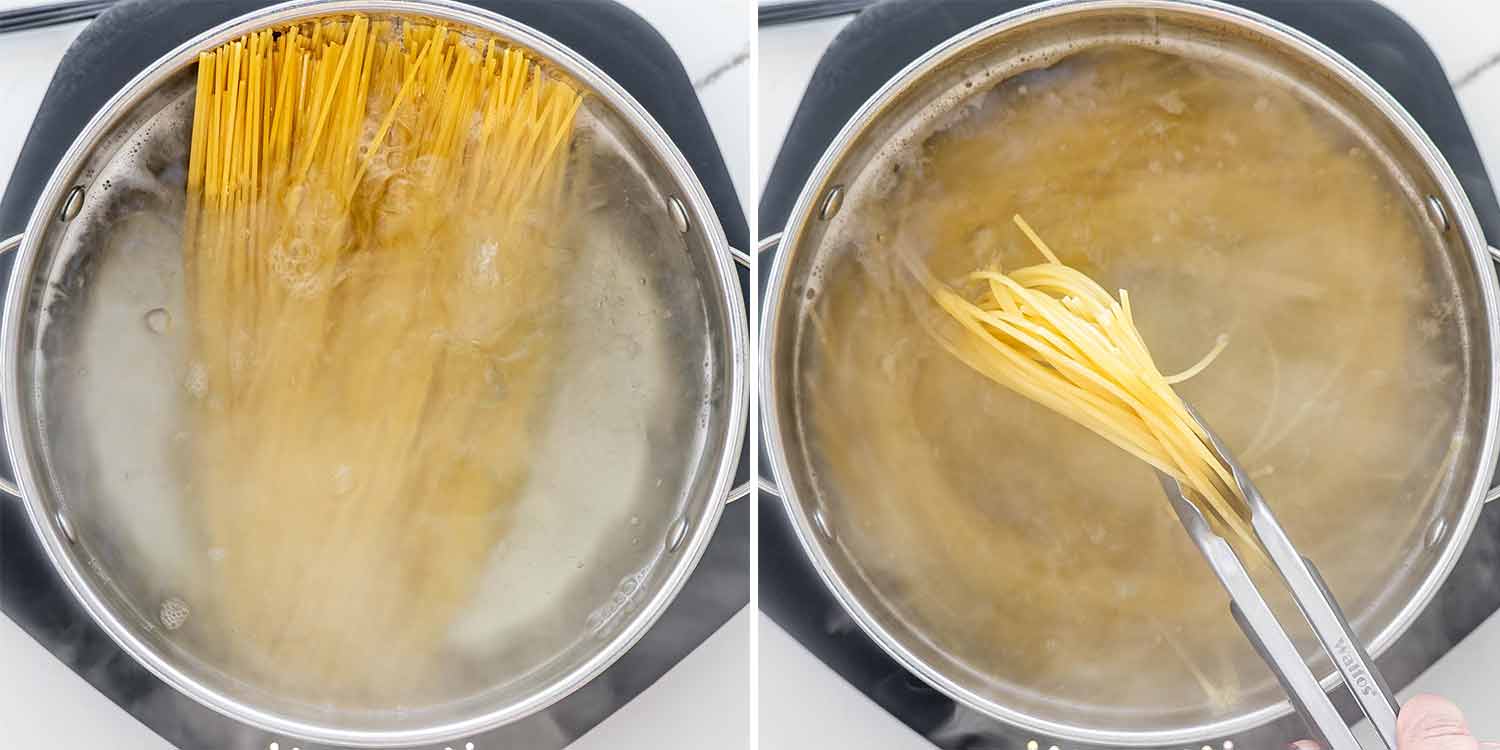
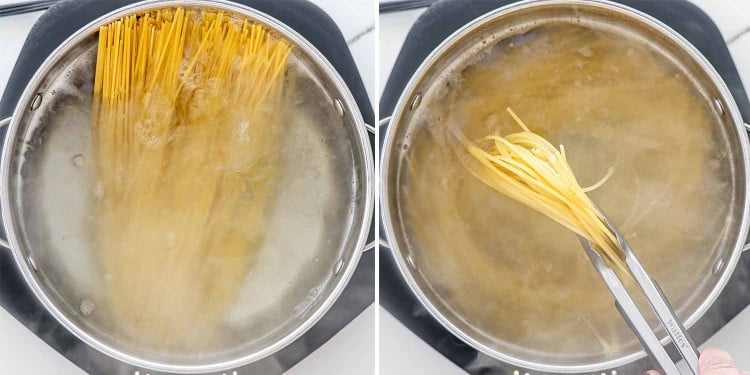
Start by bringing a large pot of salted water to a boil. Toss in the spaghetti and cook it until al dente, which is usually about 1 minute less than the package instructions. Al dente pasta is key here for the perfect texture.
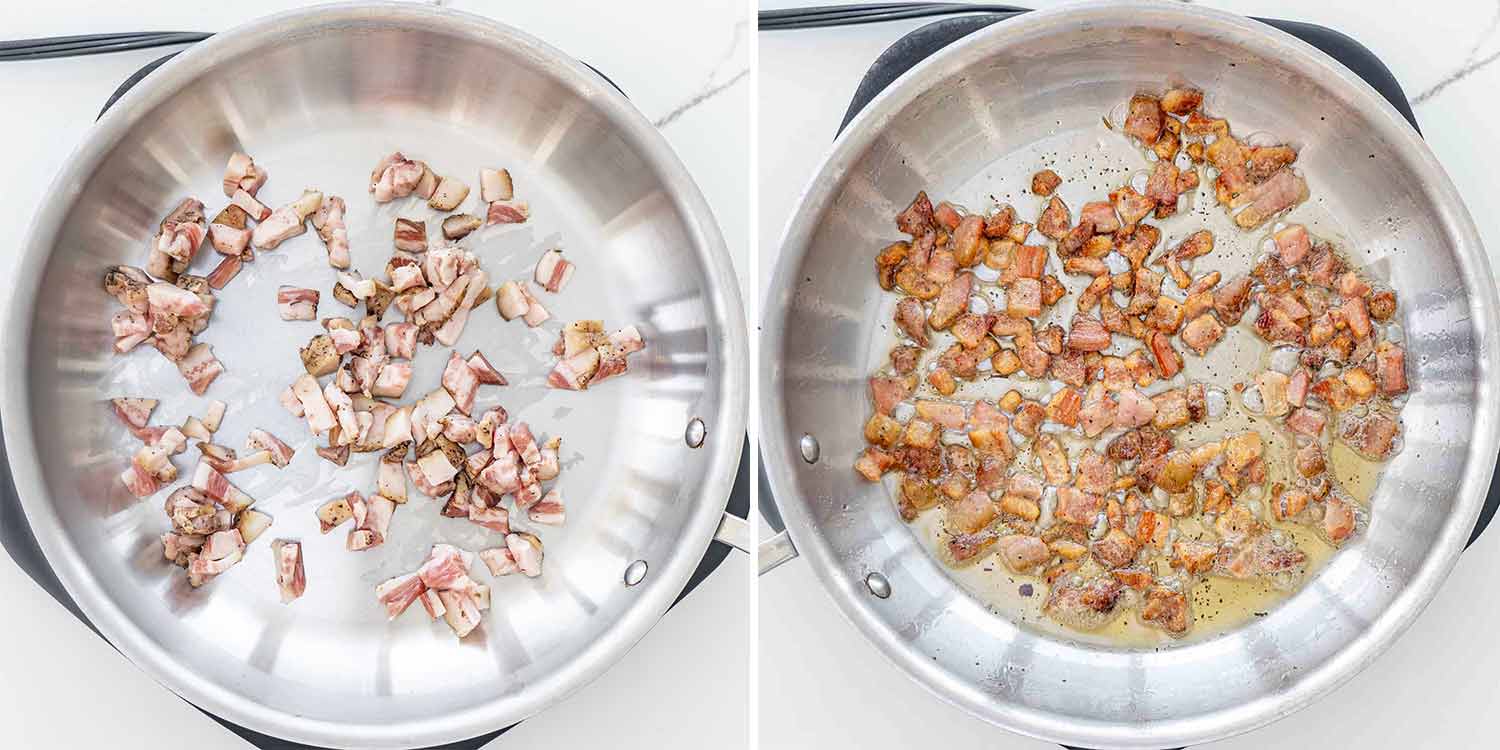
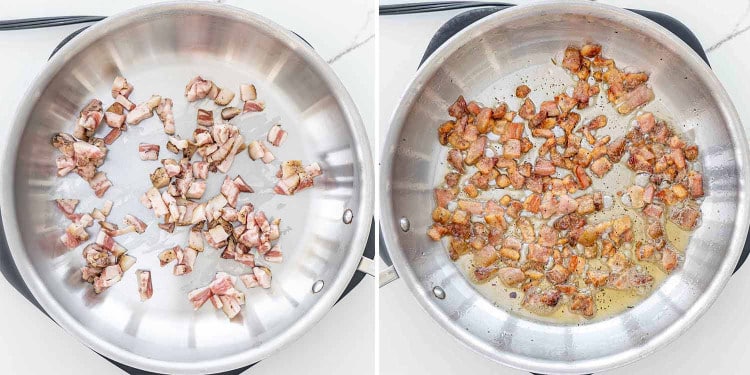
While your pasta’s doing its thing, heat a large skillet over medium heat. Add the diced pancetta or guanciale and cook it until it’s crispy and golden – about 5-7 minutes.
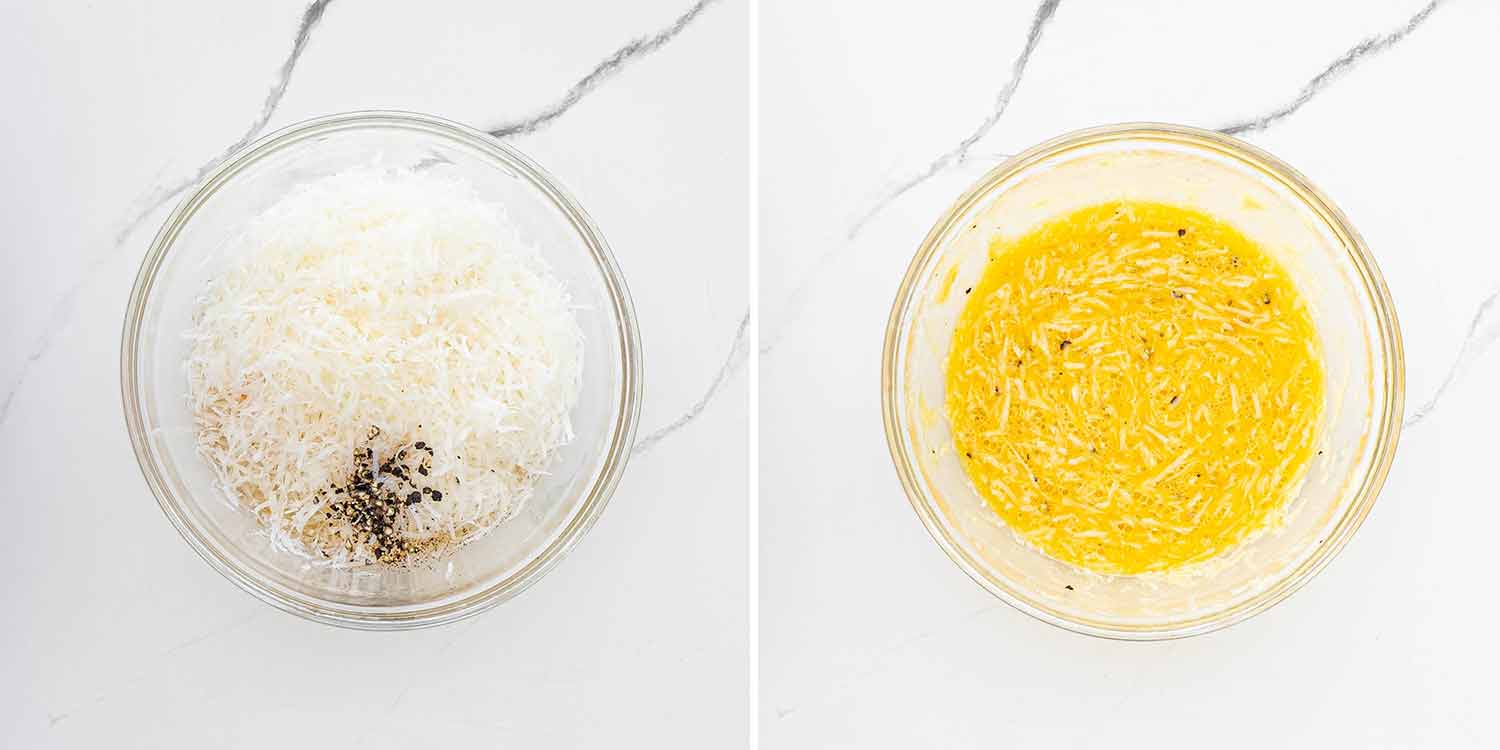
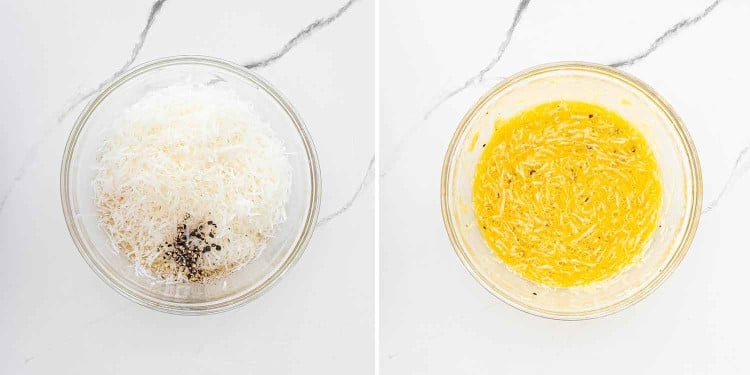
Meanwhile, in a mixing bowl, whisk together the eggs, Pecorino Romano cheese, and a generous helping of black pepper.
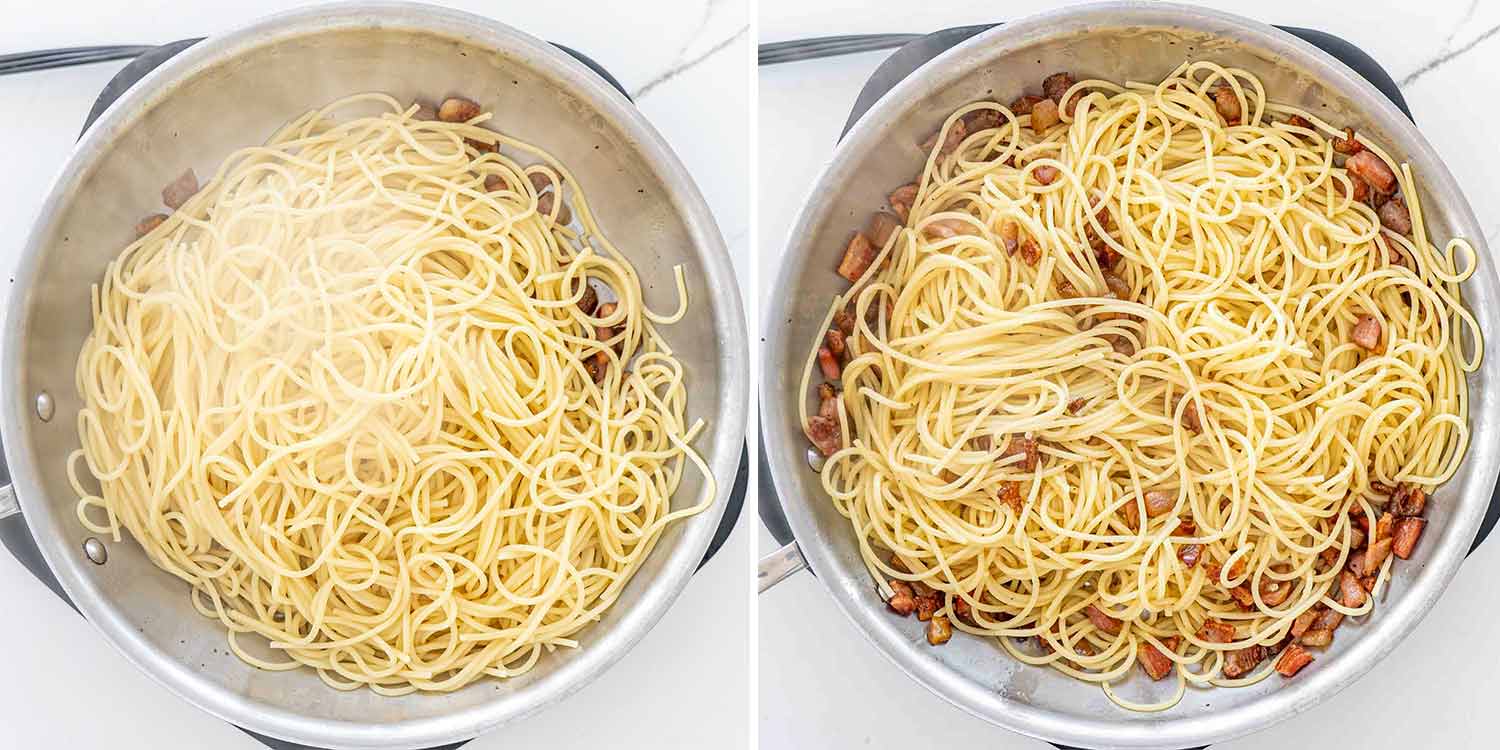
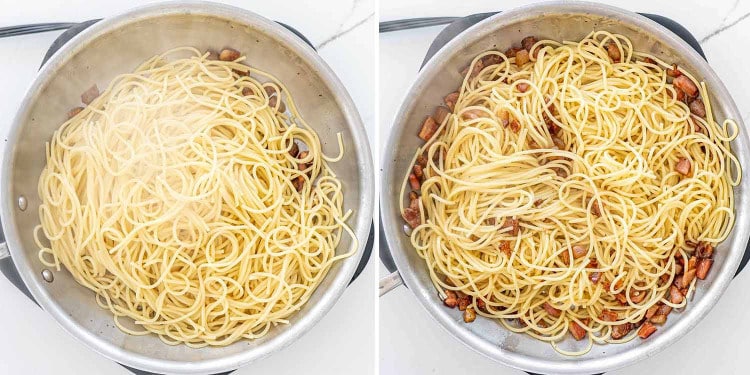
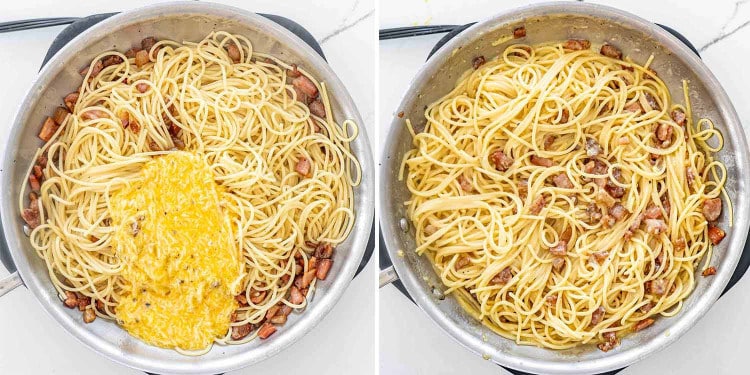
Once your pasta is al dente, save about a cup of the pasta water, and then drain the rest. Immediately add the hot pasta to the skillet with the pancetta/guanciale, tossing it quickly to coat in the fat.
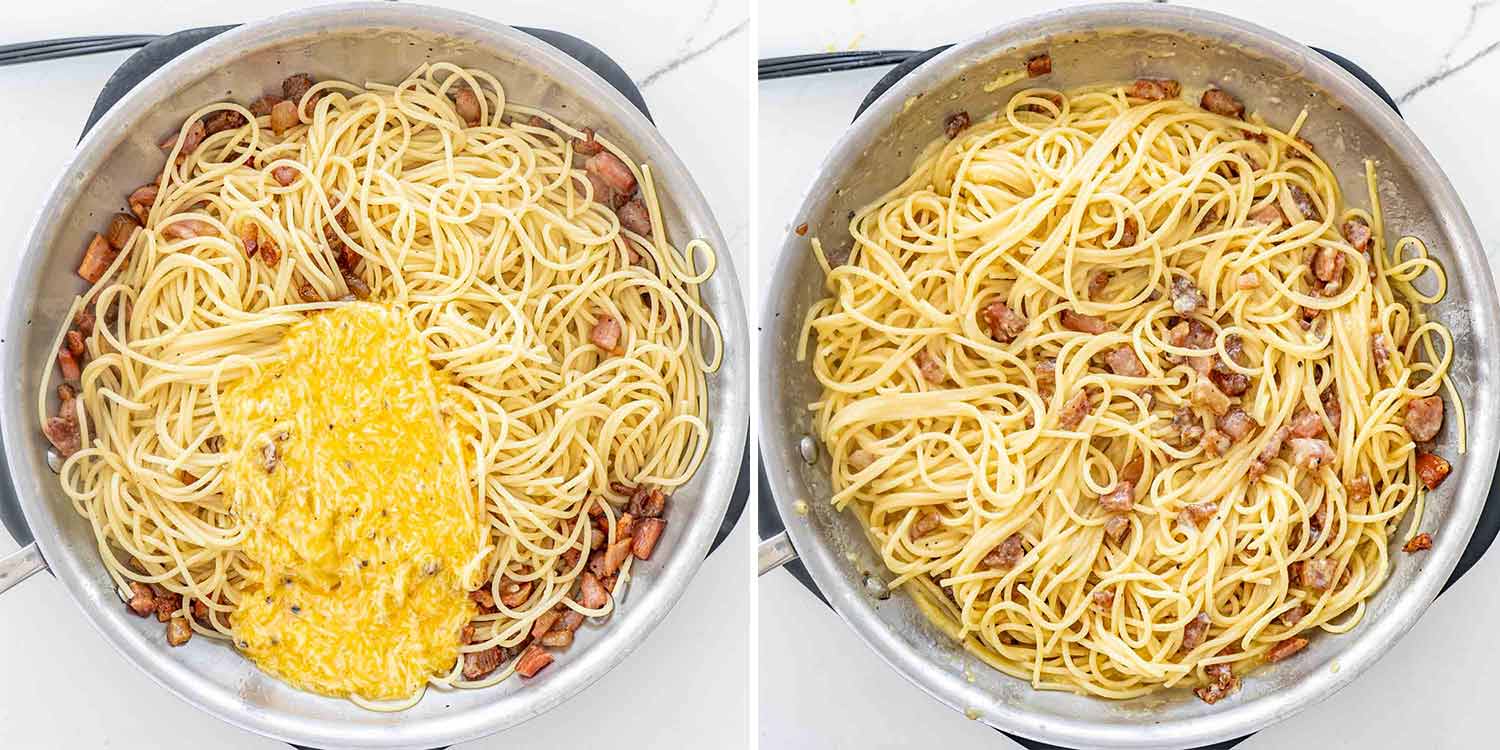
Then, off the heat, pour in your egg and cheese mixture, tossing everything swiftly. The heat from the pasta will cook the egg just enough to create a silky, creamy sauce. If it’s looking a bit thick, loosen it up with a splash of the reserved pasta water.
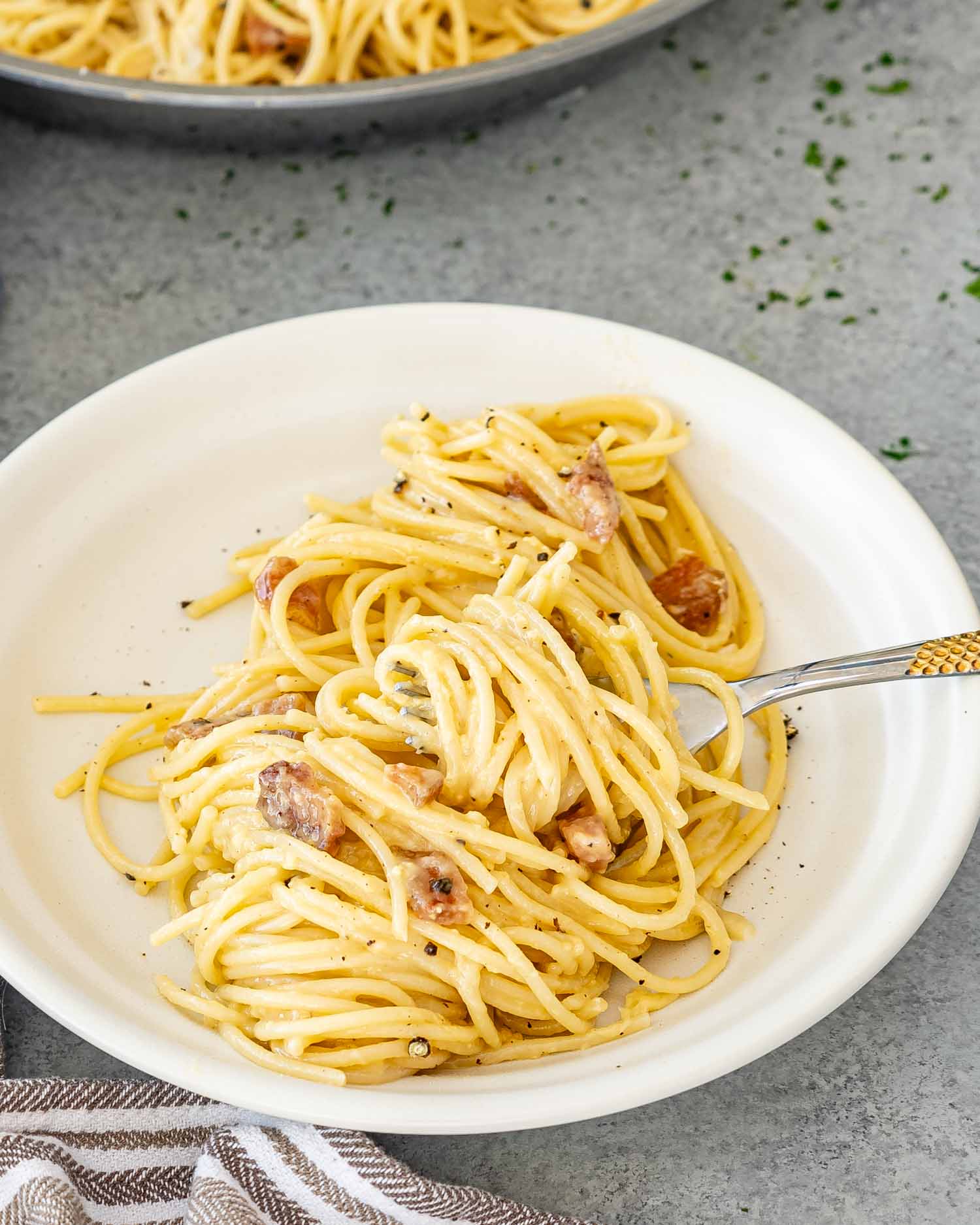
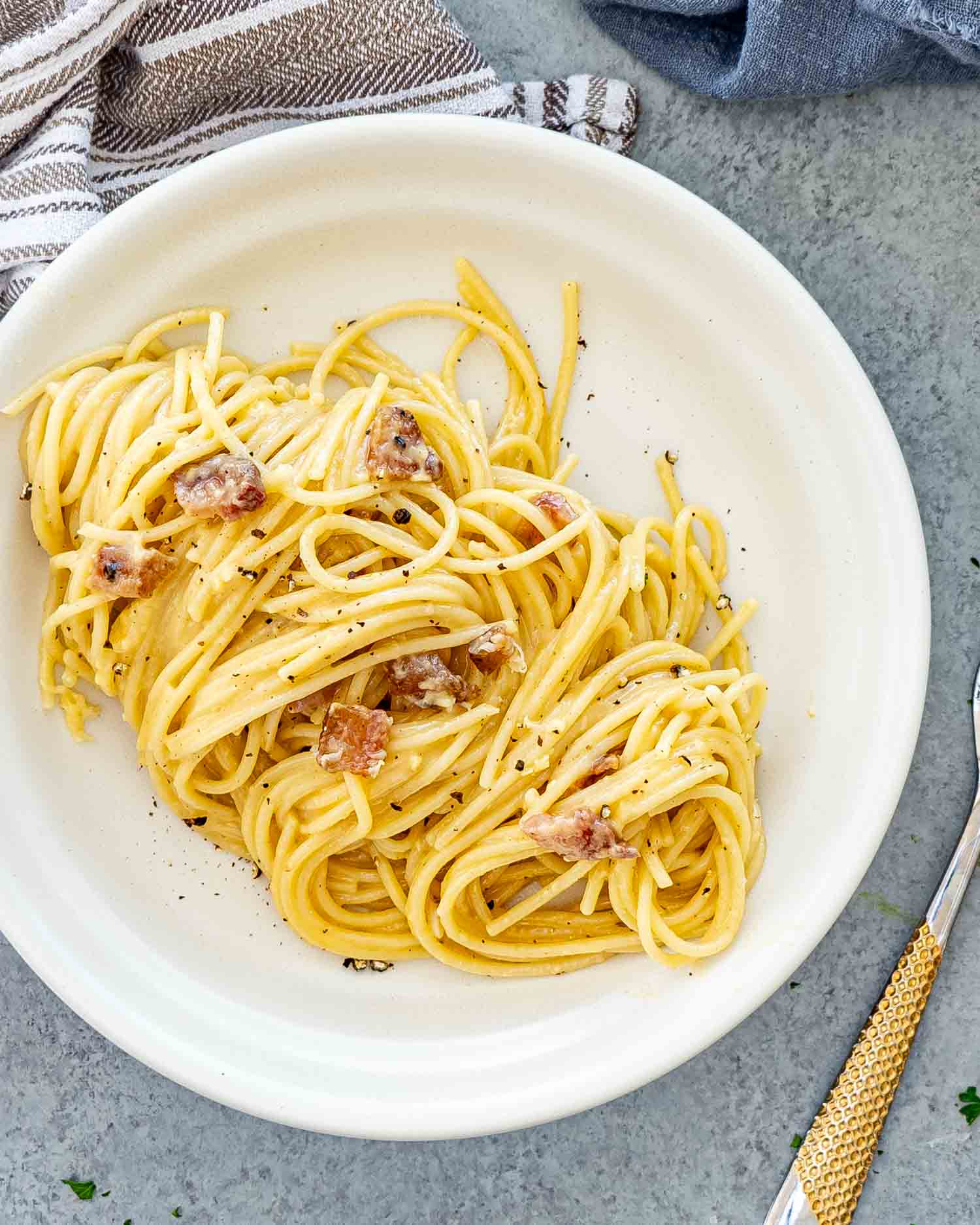
Carbonara is best served hot and fresh. So dish it up, sprinkle on a little more cheese and black pepper, and enjoy this classic Italian comfort food.
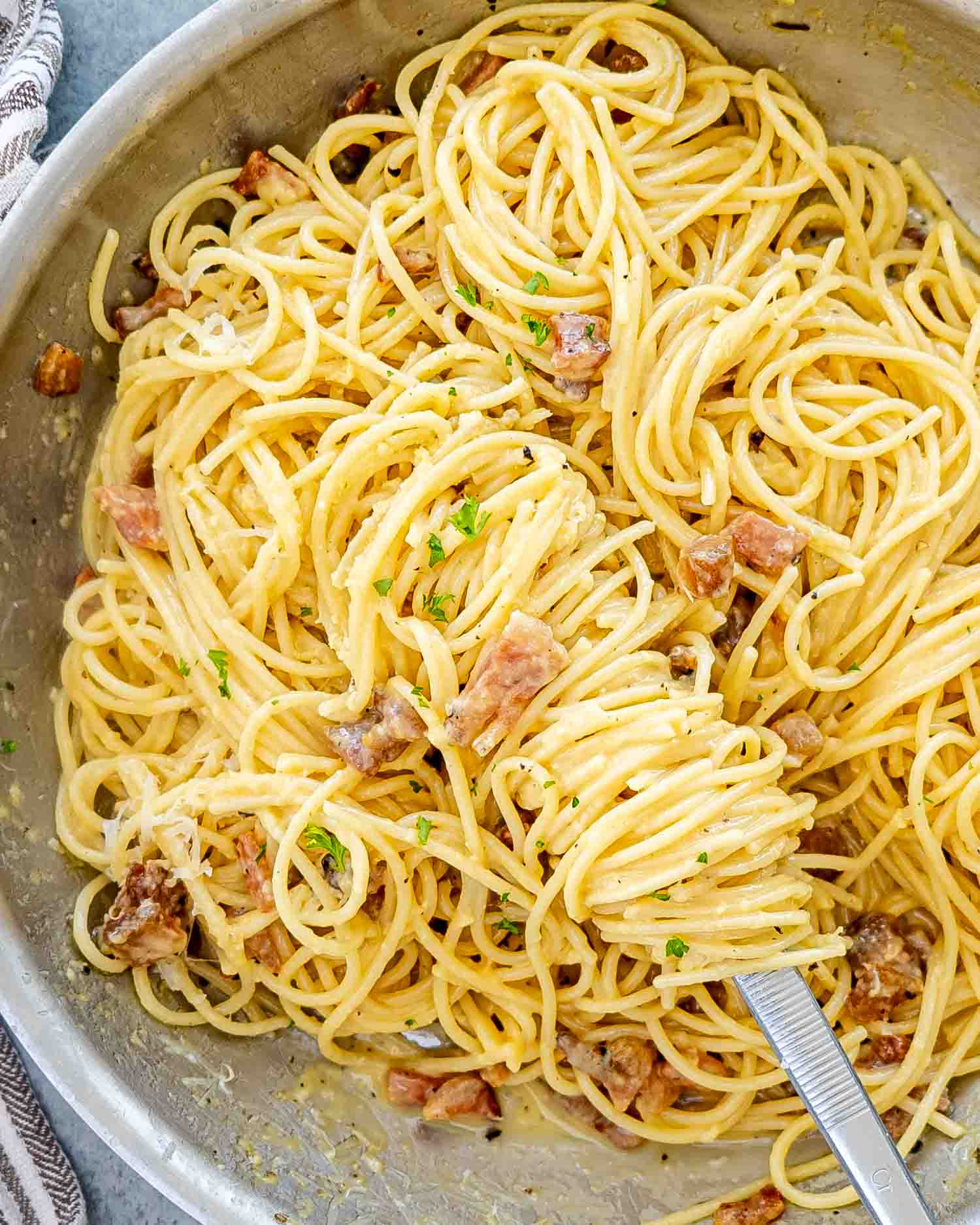
How To Serve
When I serve up this Carbonara, I love to pair it with sides that complement its rich and creamy flavor. Think light, refreshing salads, some garlic bread, or even a simple veggie dish to balance out the meal.

Caesar Salad Recipe

Easy Garlic Bread

Easy Bruschetta Recipe

Italian Roasted Mushrooms and Veggies
Frequently Asked Questions
Can I make Carbonara with cream?
Actually, traditional Carbonara doesn’t include cream, but yes you can. You can find my creamy carbonara recipe with cream here.
Why did my Carbonara turn into scrambled eggs?
Two reasons:
1️⃣ Your pan was too hot when you added the egg mixture. Take it off the heat first!
2️⃣ You didn’t toss fast enough. The residual heat should gently cook the eggs into a creamy sauce, not scramble them.
Can I use Parmesan instead of Pecorino Romano?
Yes, but Pecorino is saltier and sharper, which is what makes Carbonara pop. If using Parmesan, add a pinch of extra salt to balance the flavors.
How do I fix a dry Carbonara?
Add a splash of reserved pasta water and toss to loosen it up. The sauce should be silky and cling to the pasta, not thick and clumpy.
Can I make Carbonara ahead of time?
Carbonara is best eaten fresh. The sauce sets as it cools, so leftovers won’t have the same texture. If you must reheat, do it gently over low heat with a splash of water to loosen the sauce.
How much pasta water should I add?
Start with a couple of tablespoons, toss, and adjust as needed. The sauce should be creamy and glossy, not soupy or dry.
Is Carbonara supposed to be super saucy?
No! The sauce should cling to the pasta, not pool on the plate. It’s a coating sauce, not a drenching sauce.
Carbonara Myths – Debunked!
❌ Myth #1: You Need Cream for a Creamy Carbonara
Nope! The silky sauce comes from eggs, Pecorino Romano, and pasta water, not cream. Adding cream dilutes the rich, salty, cheesy flavor and makes it something entirely different. If your Carbonara isn’t creamy, the problem is technique, not missing cream!
❌ Myth #2: You Should Add the Egg Mixture While the Pan Is Still on the Heat
That’s how you get scrambled eggs, not Carbonara. The key is residual heat, add the eggs off the heat and toss quickly to emulsify into that perfect, glossy sauce.
❌ Myth #3: Bacon and Pancetta Are the Same as Guanciale
Not quite. Guanciale (cured pork cheek) has more fat and a richer flavor than pancetta (which is from pork belly). Bacon is smoked, which changes the taste completely. If you want true Carbonara flavor, guanciale is the way to go.
❌ Myth #4: More Sauce = Better Carbonara
Wrong! Carbonara is not meant to be drowning in sauce, it should lightly coat the pasta, clinging to every strand. If it looks like pasta soup, you’ve added too much liquid!
❌ Myth #5: You Need to Use Only Egg Yolks
A mix of whole eggs and yolks gives the best balance. All yolks make it too heavy; all whole eggs make it too light. The sweet spot? Three large eggs, just like in this recipe!
❌ Myth #6: Carbonara Reheats Well
Unfortunately, no. Carbonara is meant to be eaten fresh. The eggs and cheese set up as it cools, so reheating it usually makes it clumpy or greasy. If you must reheat, do it gently over low heat with a splash of pasta water to revive the sauce.
More Delicious Pasta Dishes
Before You Begin! If you make this, please leave a review and rating letting us know how you liked this recipe! This helps our business thrive & continue providing free recipes.
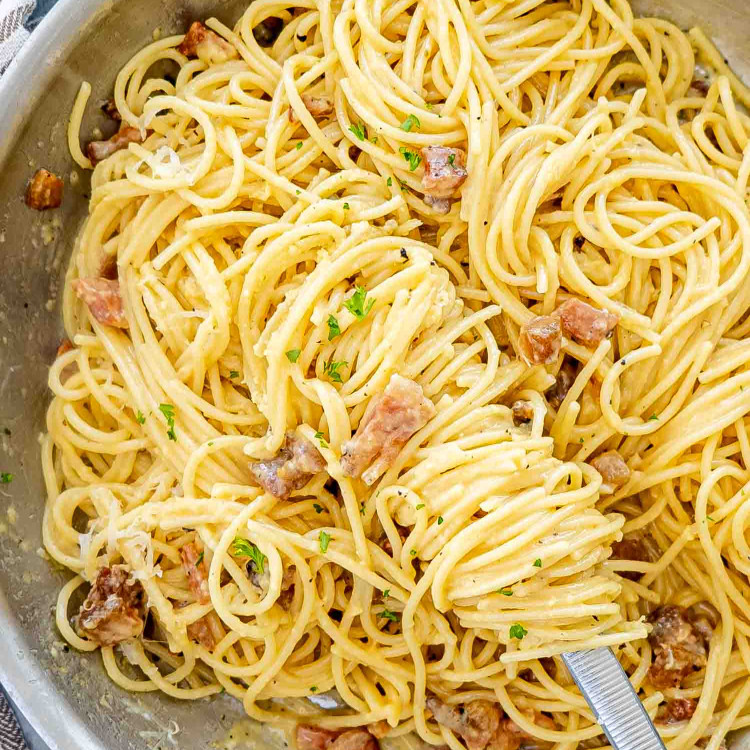
Easy Carbonara
Video
Ingredients
- 14 ounces spaghetti
- 5 ounces guanciale (or pancetta, diced)
- 3 large eggs
- 1 cup Pecorino Romano cheese (freshly grated)
- ground black pepepr (freshly ground, to taste)
- salt (for pasta water)
Before You Begin! If you make this, please leave a review and rating letting us know how you liked this recipe! This helps our business thrive & continue providing free recipes.
Instructions
- Bring a large pot of salted water to a boil. Toss in your spaghetti and cook it until it's al dente. That's usually about 1 minute less than what the package says.

- While the pasta's cooking, grab a large skillet and heat it over medium heat. Toss in the diced pancetta or guanciale. Cook it until it's beautifully crispy – that's usually about 5-7 minutes.
- Meanwhile, in a mixing bowl, whisk together the eggs, Pecorino Romano, and a generous sprinkle of black pepper. This mix is the heart of your Carbonara.
- Once your pasta is perfectly al dente, save about 1 cup of the pasta water and then drain the rest. Now, here's the critical part – while the pasta is still really hot, add it to the skillet with the pancetta/guanciale. Toss it quickly to coat it in the fat.
- Then, remove the skillet from the heat and pour in your egg and cheese mixture. Toss everything together swiftly. The heat from the pasta cooks the egg, creating a creamy sauce. If it's too thick, add a bit of the reserved pasta water.
- Carbonara waits for no one. Serve it hot with a bit more grated cheese and a sprinkle of black pepper.
Equipment
Notes
- Use guanciale if you can. Pancetta works, but guanciale gives the deep, rich, authentic flavor that makes Carbonara special.
- No cream! The sauce comes from eggs, cheese, and pasta water. If it’s not creamy, it’s a technique issue, not a missing ingredient.
- Take the pan off the heat before adding eggs. This is non-negotiable, otherwise, you’ll end up with scrambled eggs instead of that silky sauce.
- Work fast! Carbonara is all about timing, drain the pasta, toss with the pork fat, and immediately mix in the eggs before everything cools down.
- Use freshly grated Pecorino Romano. Pre-grated cheese doesn’t melt properly and won’t give you the right texture.
- Adjust with pasta water. If your sauce looks too thick, add a little reserved pasta water until it’s smooth and glossy.
- Eat it immediately! Carbonara doesn’t wait, it’s at its best the second it hits the plate. Leftovers? Not the same, but if you must, reheat gently with a splash of water over low heat.
Nutrition Information
Notice: Nutrition is auto-calculated for your convenience. Where relevant, we recommend using your own nutrition calculations.