No Knead Potato Bread
This post may contain affiliate links. Please read my disclosure policy.

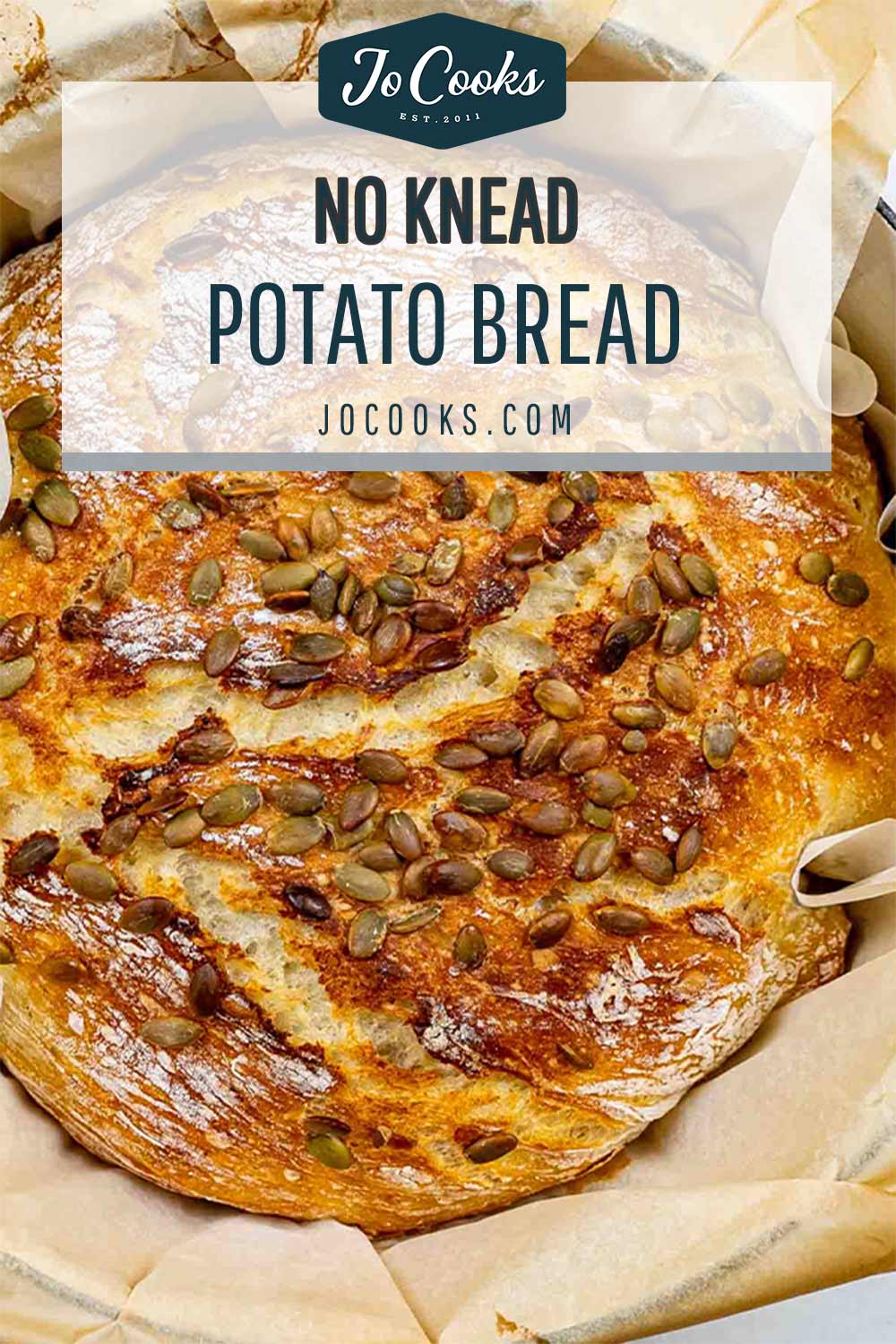
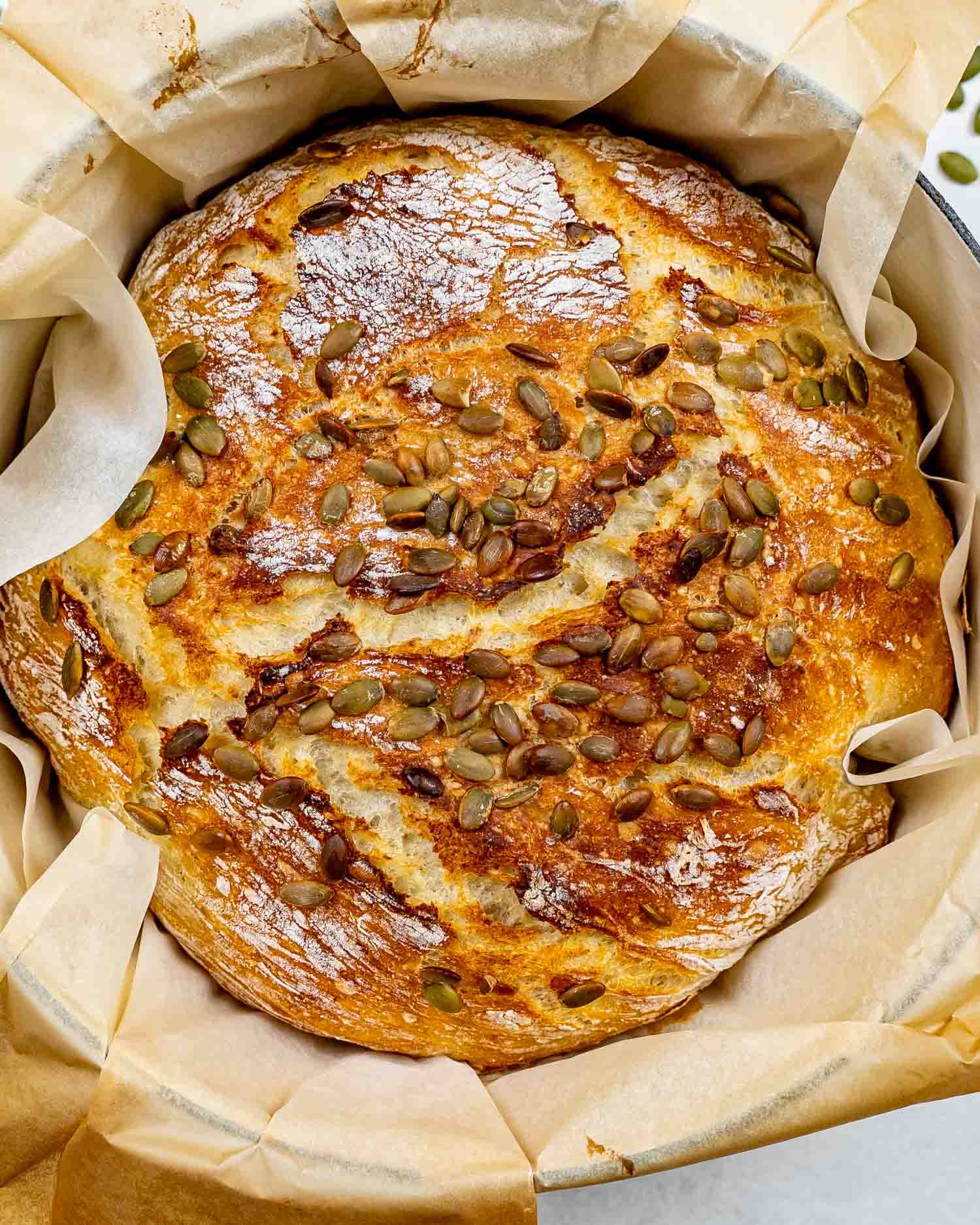
No Knead Potato Bread – soft, fluffy, and ridiculously easy. Mashed potatoes in bread? Yes, it works. Yes, it’s amazing.

When I Want Bread in 2 Hours
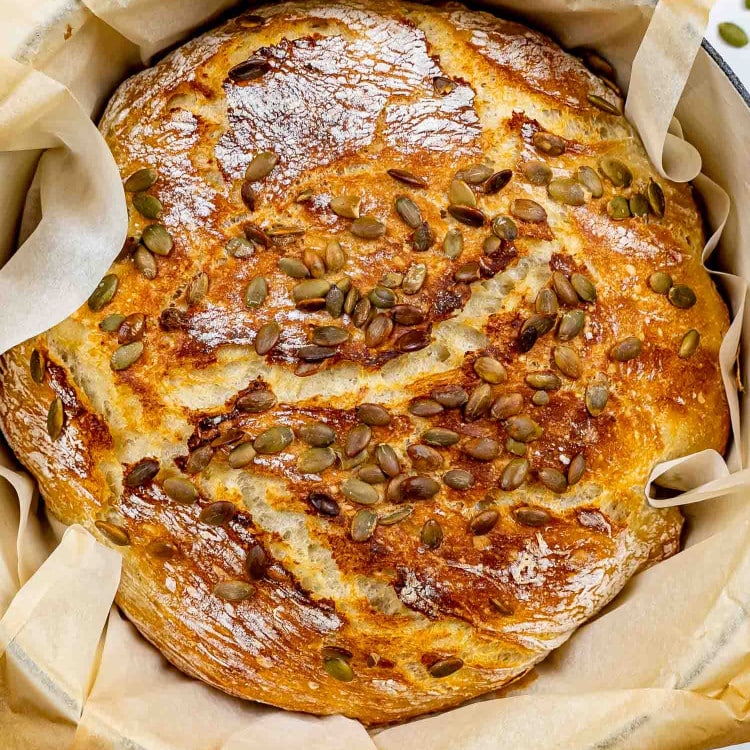
I first made this potato bread on a whim, mostly because I had leftover mashed potatoes and absolutely no desire to knead anything. I expected something dense and weird. What I got was a crusty, golden loaf with the softest center I’ve ever pulled out of a Dutch oven, and I’ve made a lot of bread.
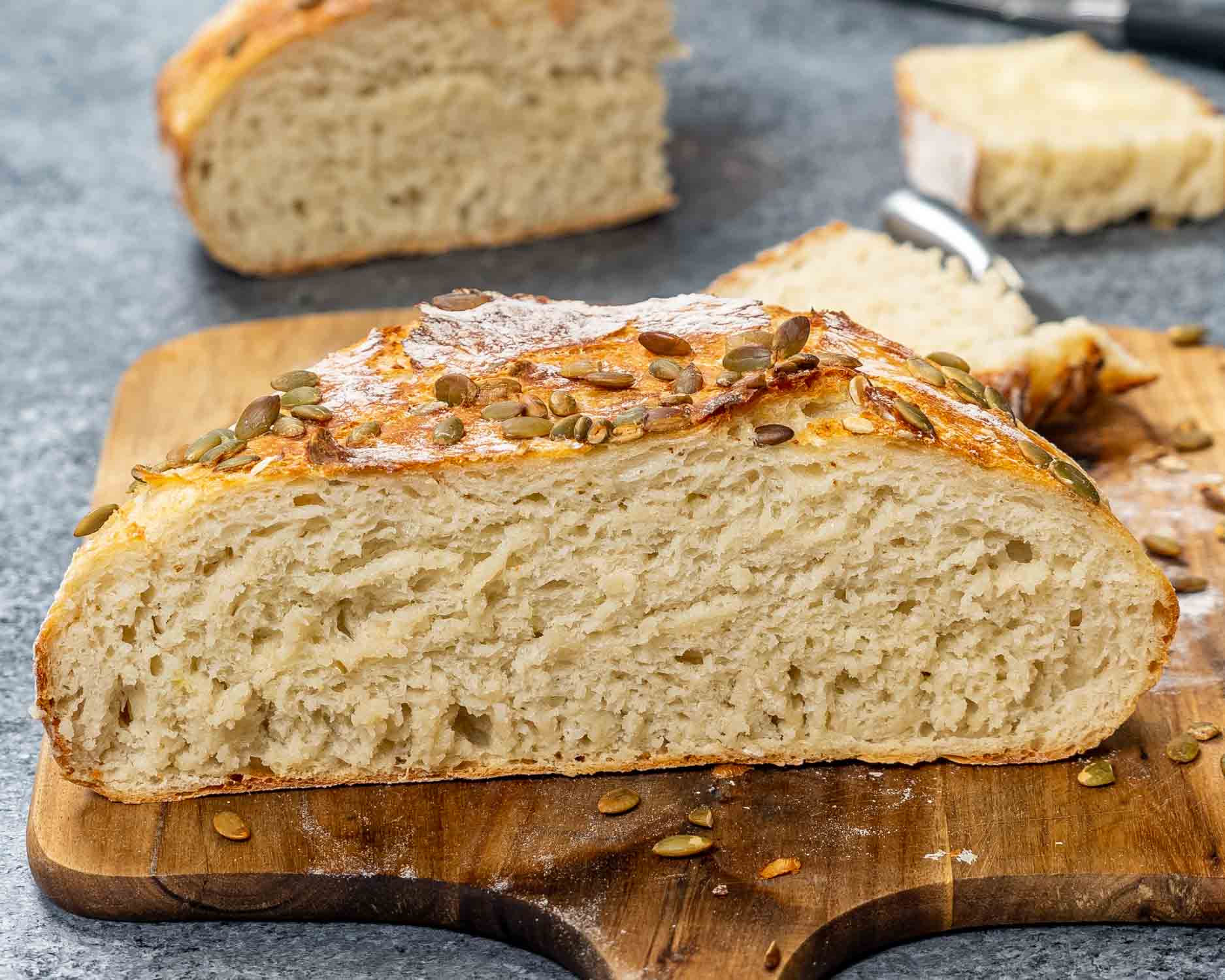
Now it’s the one I bake when I don’t want to wait 24 hours or plan ahead. The dough comes together in minutes, rises fast, and bakes up into a loaf that’s so fluffy, it almost feels like cheating. Remo loves it toasted with butter, I love it as a sandwich, and honestly… it’s just one of those recipes that never lets me down.
Why You’ll Love This No Knead Potato Bread
- You get soft, fluffy, sandwich worthy bread in just about 2 hours.
- No kneading, no stand mixer, no stress, just stir, rest, bake.
- The mashed potatoes keep it extra moist (and no, it doesn’t taste like leftovers).
- Crusty outside, tender inside, the best of both worlds.
- Works for toast, sandwiches, or straight-up tearing into it warm with butter.
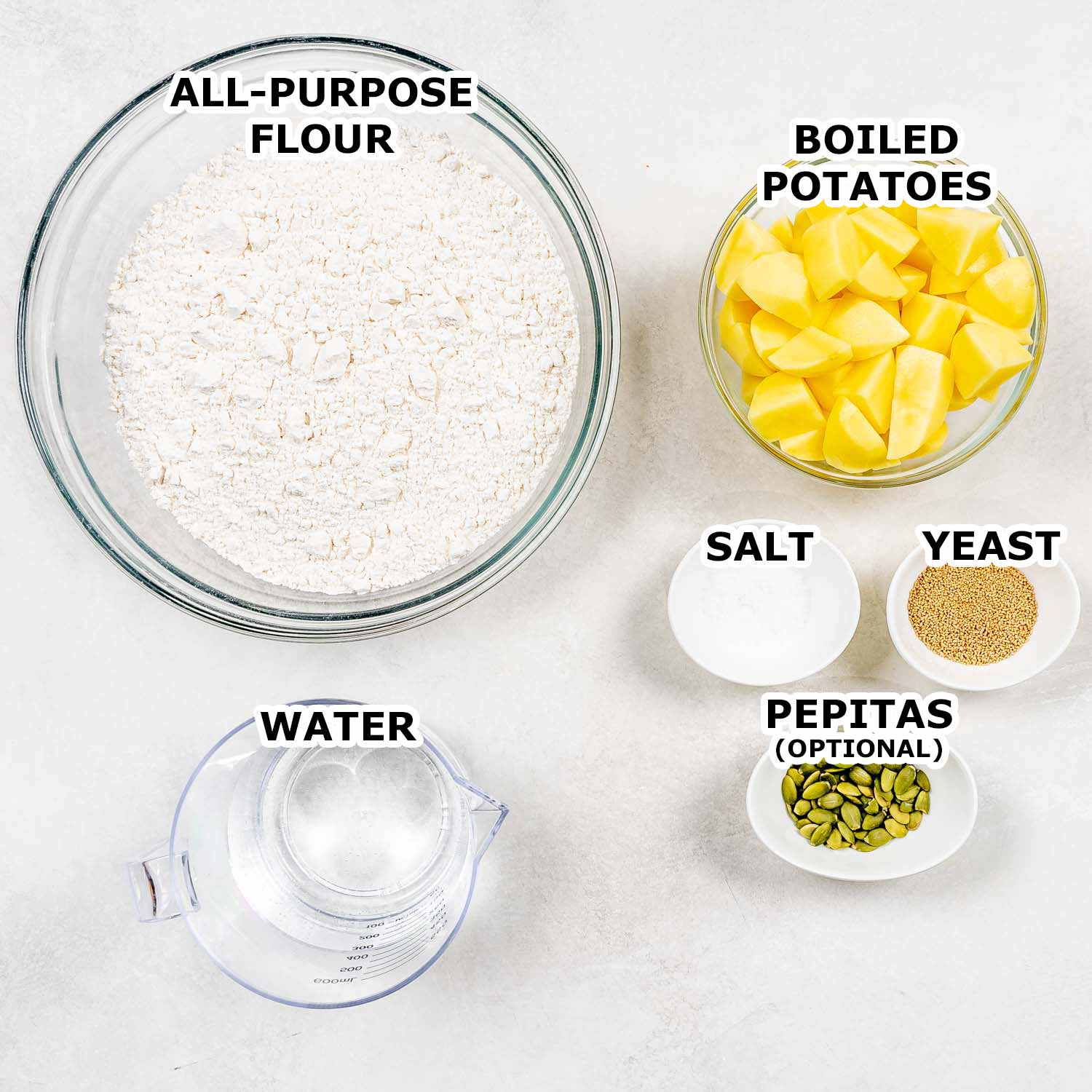
Before You Start: Tips & Ingredient Notes
- Use 12 ounces of raw potatoes, weighed before peeling and boiling (about 2 medium). After cooking and mashing, you’ll have roughly 1½ cups, just what this bread needs to turn out soft and fluffy.
- Let the potatoes cool. If they’re hot, they’ll kill the yeast. Warm is fine, hot is a nope.
- All-purpose flour works great. You can use bread flour, but honestly? This loaf doesn’t need it.
- Active dry yeast = fast rise. This isn’t an overnight dough, you’ll get a full rise in about an hour, thanks to that tablespoon of yeast doing the heavy lifting.
- Don’t overwork it. Just stir it together and let it be. No folding, no fuss. Sticky dough = good bread.
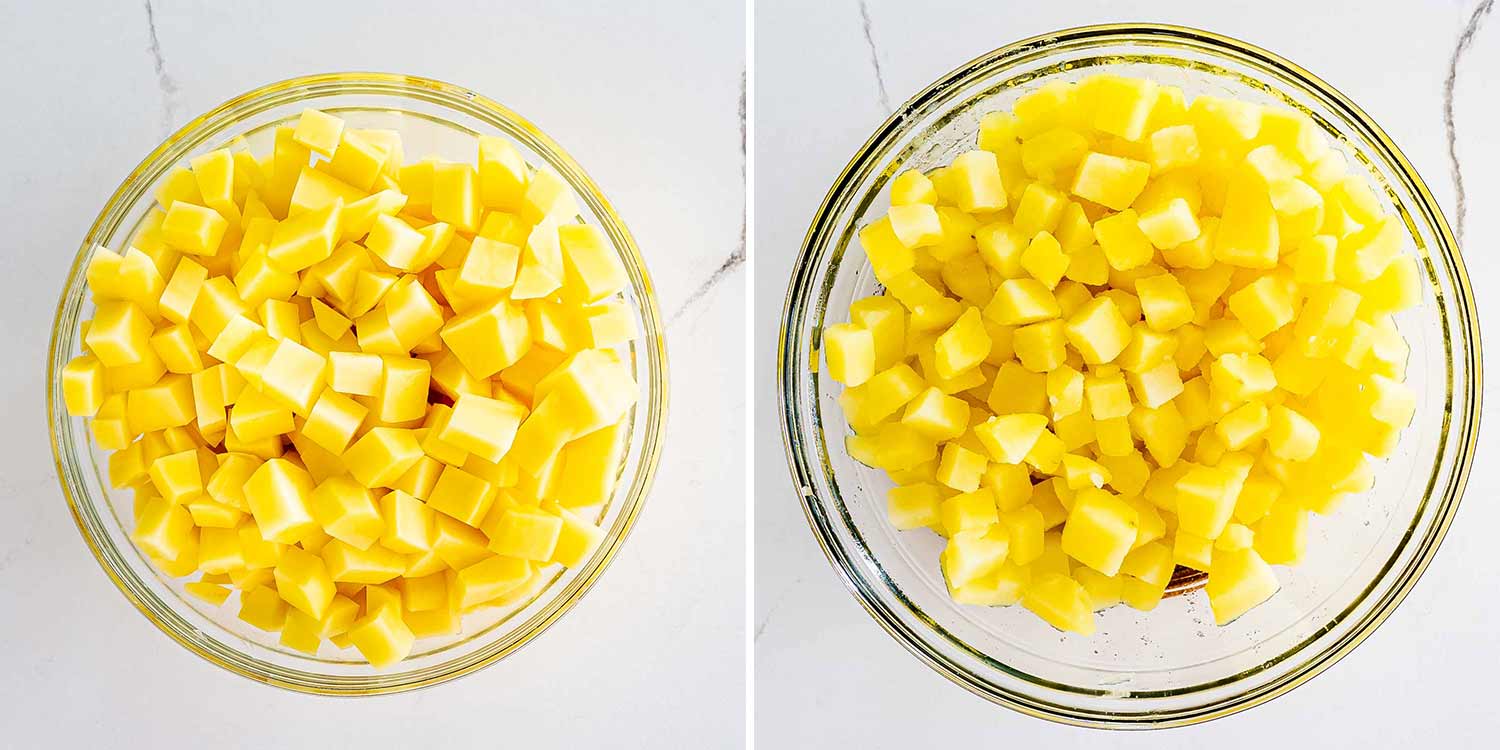
Weigh out 12 ounces of raw potatoes (about 2 medium), then peel and chop them into equal sized chunks. Boil in salted water until fork tender, about 15 minutes. Drain well and mash until smooth, you should end up with about 1½ cups mashed. Let them cool until just warm before moving on, too hot and they’ll kill the yeast.
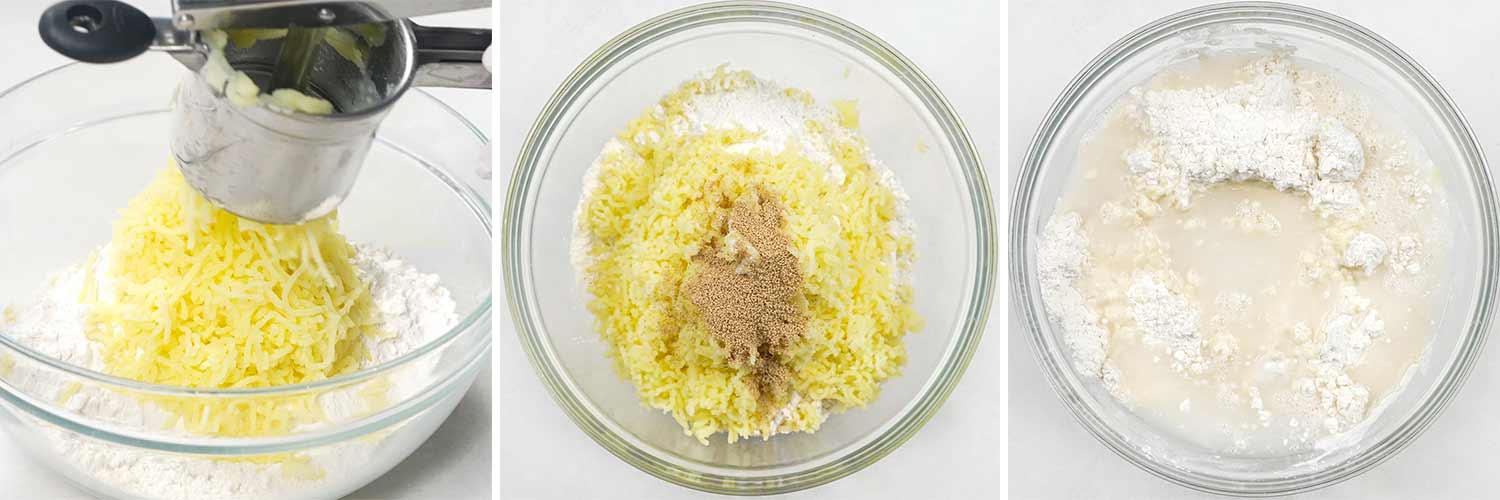
In a big bowl, mix the mashed potatoes with flour, salt, and yeast.

Pour in the warm water (105°F to 115°F / 41°C to 46°C) and stir until a sticky dough forms. No kneading, just mix until it comes together.

Cover the bowl and let the dough rise at room temp for about 1 hour, or until doubled in size. It should look airy and jiggly, if it’s still flat, give it more time.
While the dough rises, preheat the oven to 450°F (232°C). Place your Dutch oven (with the lid on) inside to heat up. You want it screaming hot by the time you bake.
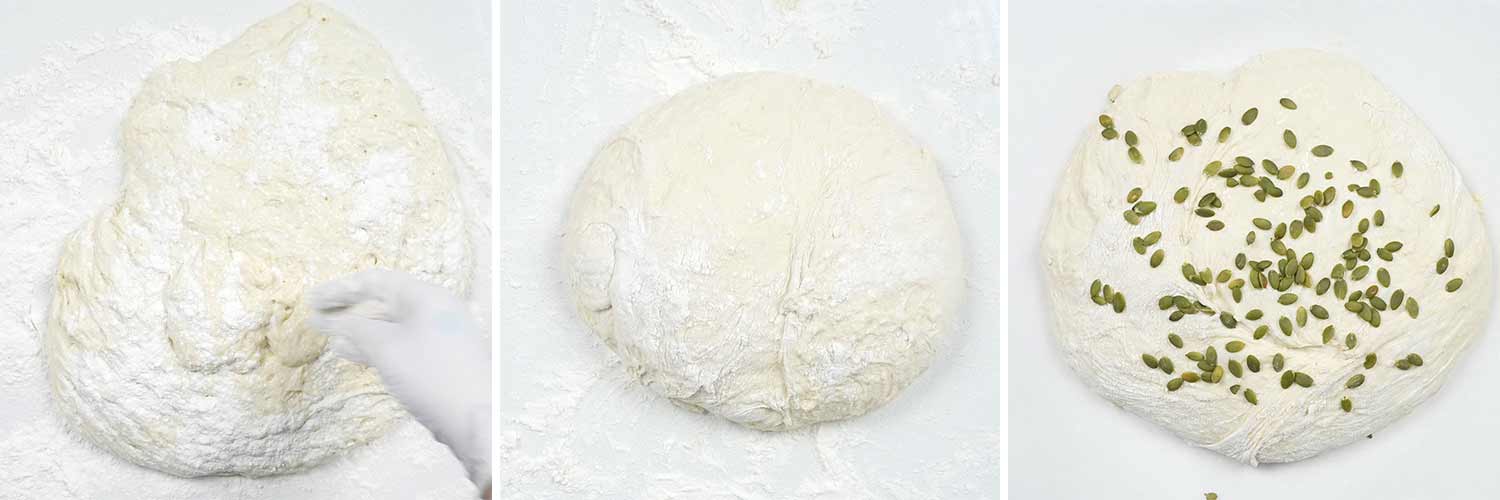
Flour your hands and work surface, then gently scoop the dough out and shape it into a loose ball. Place it on parchment paper. You can sprinkle the top with pepitas or sunflower seeds, totally optional, but pretty.
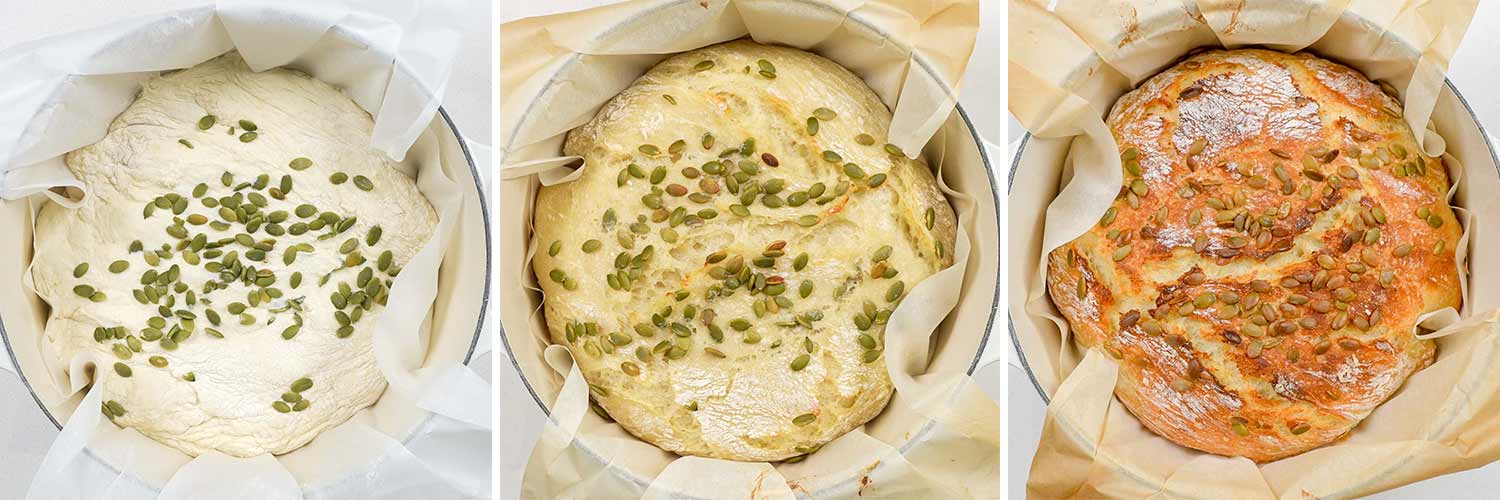
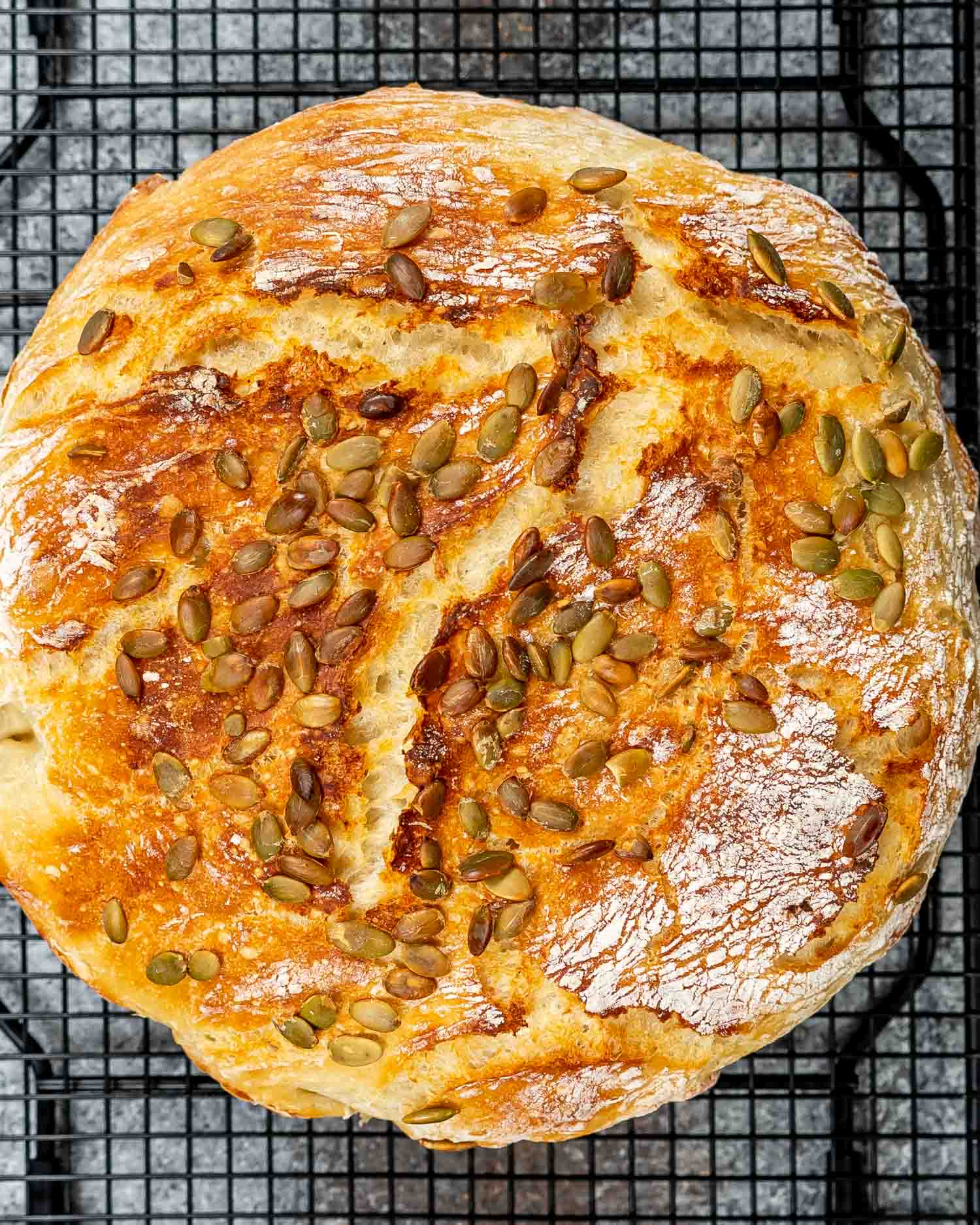
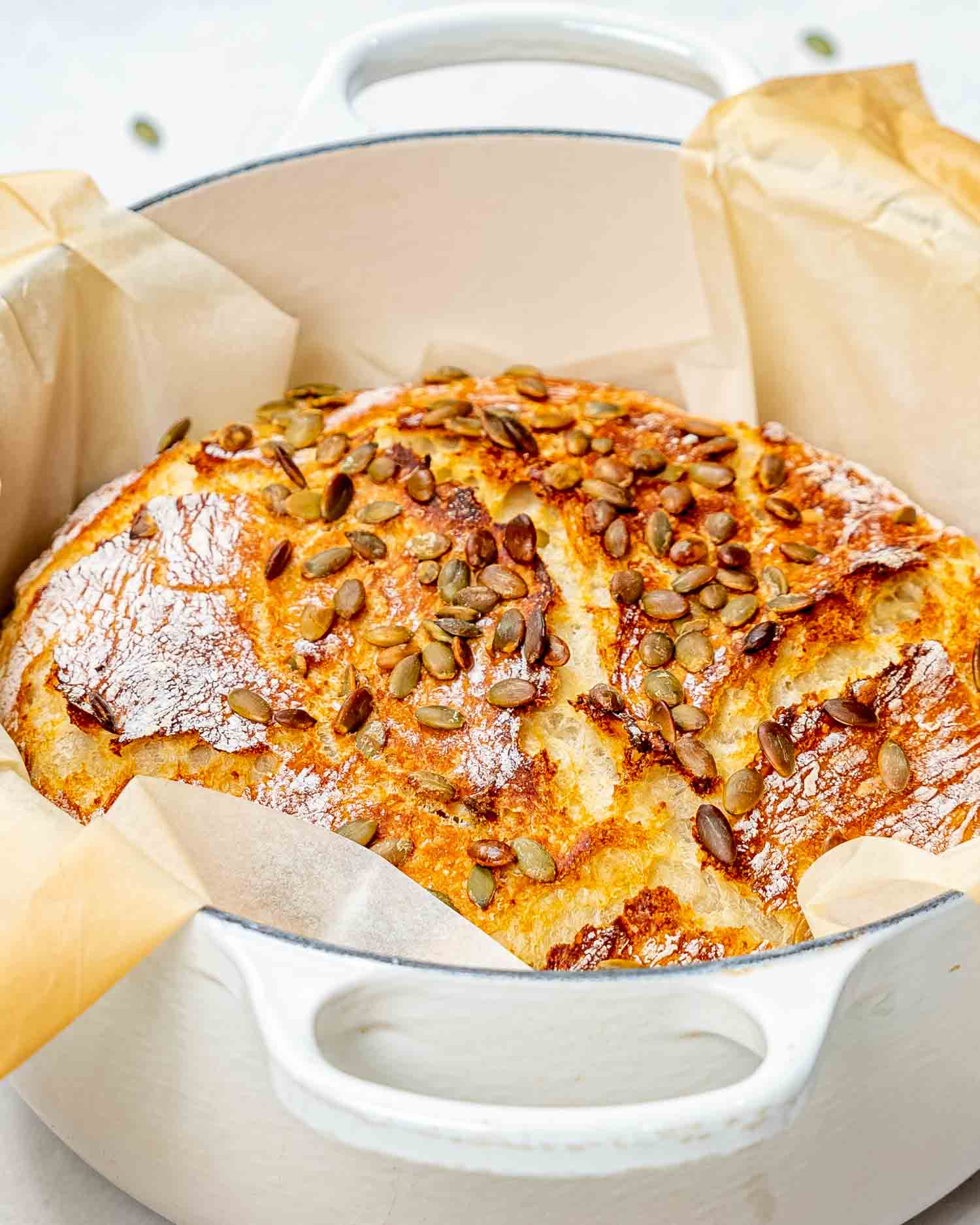
Lift the dough (on the parchment) into the hot pot. Cover and bake for 30 minutes, then uncover and bake for another 15 to 20 minutes, until golden and crisp. The bread should sound hollow when tapped and register about 200°F (93°C) inside.
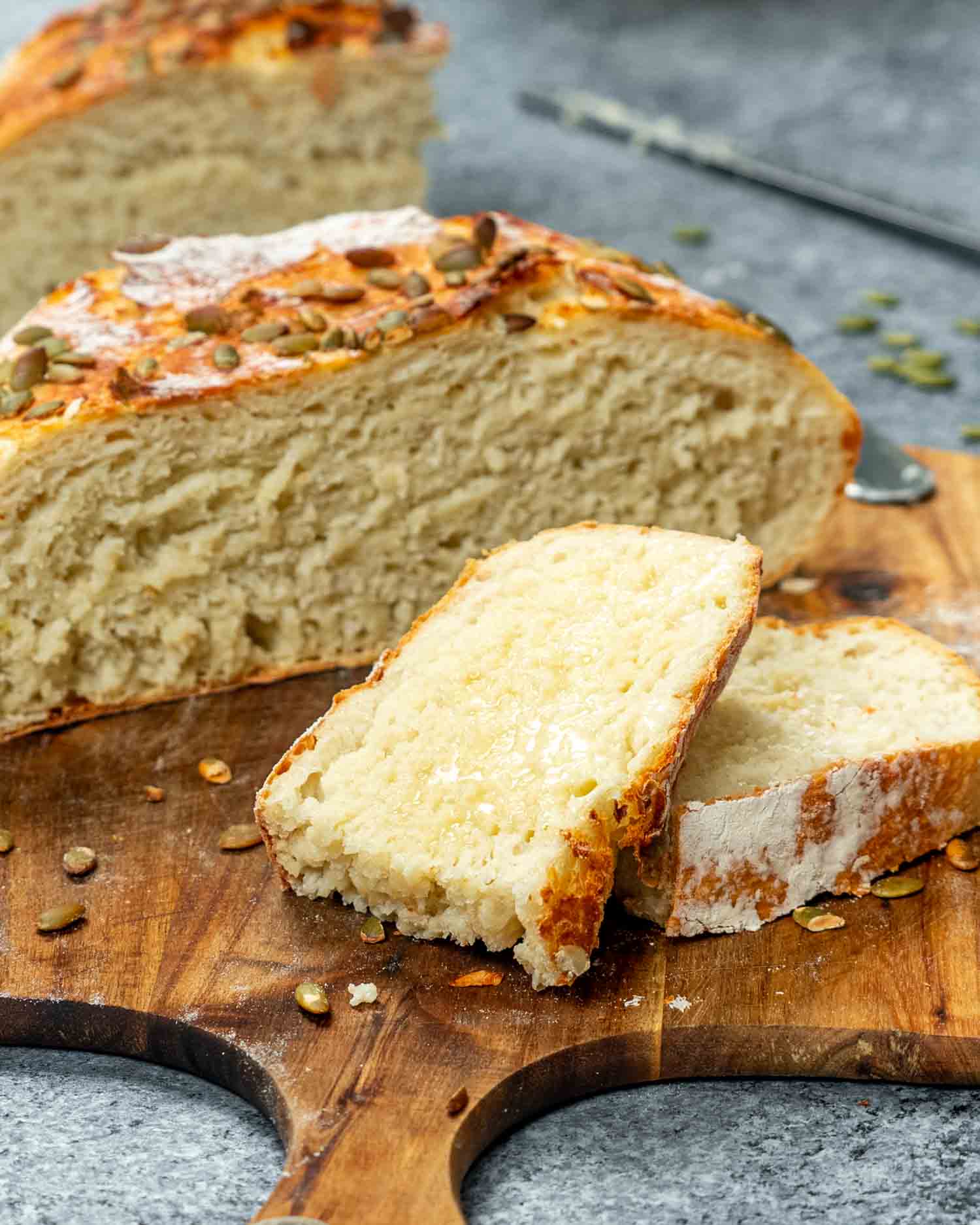
Let it cool completely before slicing. The steam finishes the inside and gives you that perfect crumb.
Frequently Asked Questions
Can I use leftover mashed potatoes?
Yes, but check what’s in them. If they’ve got butter, cream, garlic, or extra salt, you may need to adjust the flour or reduce the salt in the dough. Use 12 ounces by weight and bring them to room temp first.
Why does my bread feel dense or heavy?
Most likely: your dough didn’t rise enough, your mashed potatoes were too warm and killed the yeast, or you added too much flour. Remember, sticky dough is good dough.
Do I really need to let the mashed potatoes cool?
Yes. Hot potatoes can kill your yeast and stop the dough from rising. Let them cool until they’re just warm, you should be able to touch them comfortably.
Can I use instant mashed potatoes?
If that’s what you’ve got, you can try it, just use plain flakes, rehydrated with water only (no butter or milk). It won’t be exactly the same, but it’ll still work in a pinch.
Do the mashed potatoes make the bread taste like potatoes?
Not really! They just make it super soft and fluffy. You’d never know they’re in there, but you’ll definitely notice how tender the crumb is.
What if I don’t have a Dutch oven?
Use any heavy pot with a lid that’s safe at 450°F (232°C). If your lid’s missing in action, cover the pot tightly with foil. The crust won’t be as crisp, but the bread will still be good.
How come this bread only needs 1 hour to rise?
It’s the combo of warm mashed potatoes and a full tablespoon of yeast. The potatoes feed the yeast and help retain moisture, while the higher yeast amount speeds things up. Unlike my long ferment no knead loaves, this one rises fast but still gives you that soft, airy texture you want in a potato bread. No overnight wait needed.
How do I know when it’s done baking?
Tap the bottom, it should sound hollow. Or check the internal temp with a thermometer: you’re looking for 200°F (93°C) in the center.
Storage + Reheating
- Room Temp: Store the loaf in a bread bag or wrapped in foil for up to 4 days. Keep it on the counter, the fridge will just dry it out faster.
- Freezer: Once it’s completely cooled, wrap the loaf in foil or plastic wrap, then place it in a freezer-safe bag. It’ll keep well for up to 3 months. You can slice it before freezing to make reheating easier.
- To Reheat: Thaw at room temperature, then pop it in the oven at 350°F (175°C) for 10–15 minutes to revive the crust. For individual slices, a quick toast does the trick.
Other Delicious No Knead Bread Recipes
- No Knead Cinnamon Raisin Bread
- No Knead Whole Wheat Bread
- No Knead Olive Bread
- No Knead Skillet Bread
- No Knead Bread
- Air Fryer No Knead Bread
- No-Knead Challah Bread
- No Knead Honey Oat Bread
- No Knead Jalapeno Cheddar Bread
Before You Begin! If you make this, please leave a review and rating letting us know how you liked this recipe! This helps our business thrive & continue providing free recipes.
No Knead Potato Bread
Video
Ingredients
- 12 ounces potatoes (about 2 medium uncooked potatoes)
- 2 cups warm water
- 1 tablespoon active dry yeast
- 4½ cups all-purpose flour
- 1 teaspoon salt
Before You Begin! If you make this, please leave a review and rating letting us know how you liked this recipe! This helps our business thrive & continue providing free recipes.
Instructions
- Make sure all the potatoes are cut into equal size pieces so that they all cook at the same time. Place the potatoes into a large pot and fill it with cold water, enough to fully cover the potatoes. Add about 1 teaspoon of salt to the water and stir.
- Bring the potatoes to a boil over high heat, then reduce the heat to a medium and cook for about 15 minutes or until the potatoes are fork tender.
- Drain the potatoes and mash them with either a potato masher or put them through a ricer.
- In a big bowl mix the flour, mashed potatoes, salt and yeast together. Pour water into the bowl and using a spatula or a wooden spoon mix it until well incorporated.
- Cover the bowl with plastic wrap and let it sit on your counter or inside your unheated oven for 1 hour until doubled in size.
- Preheat oven to 450°F. Add your cast iron pot to the oven as it's heating and heat it as well until it's at 450°F. Usually when the oven is done preheating your pot should be hot enough as well. Remove the pot from the oven and remove the lid from it. Use oven mitts, as to not burn yourself.
- Flour your hands really well and also sprinkle a bit of flour over the dough. With your floured hands gently remove the dough from the bowl and roughly shape it into a ball on a well floured surface. Place the ball of dough onto a piece of parchment paper. Feel free to sprinkle some seeds over the bread like pepitas or sunflower seeds.
- Lift the parchment paper and drop it in the pot, with parchment paper and all.
- Bake for 30 minutes with the lid on, after which remove the lid and bake for another 15 to 20 minutes until golden brown. Remove the bread from the pot, it should fall out easily. Let cool completely before slicing into it and serving.
Equipment
Notes
- Use 12 ounces of raw potatoes, weighed before cooking, about 2 medium potatoes. You’ll end up with about 1½ cups mashed.
- Let the potatoes cool slightly before mixing, hot = dead yeast.
- Sticky dough is normal, don’t add more flour.
- One hour is all the rise time you need for this loaf.
- Optional: top with sunflower seeds or pepitas before baking.
Nutrition Information
Notice: Nutrition is auto-calculated for your convenience. Where relevant, we recommend using your own nutrition calculations.