Bibimbap (Korean Rice Bowl)
This post may contain affiliate links. Please read my disclosure policy.
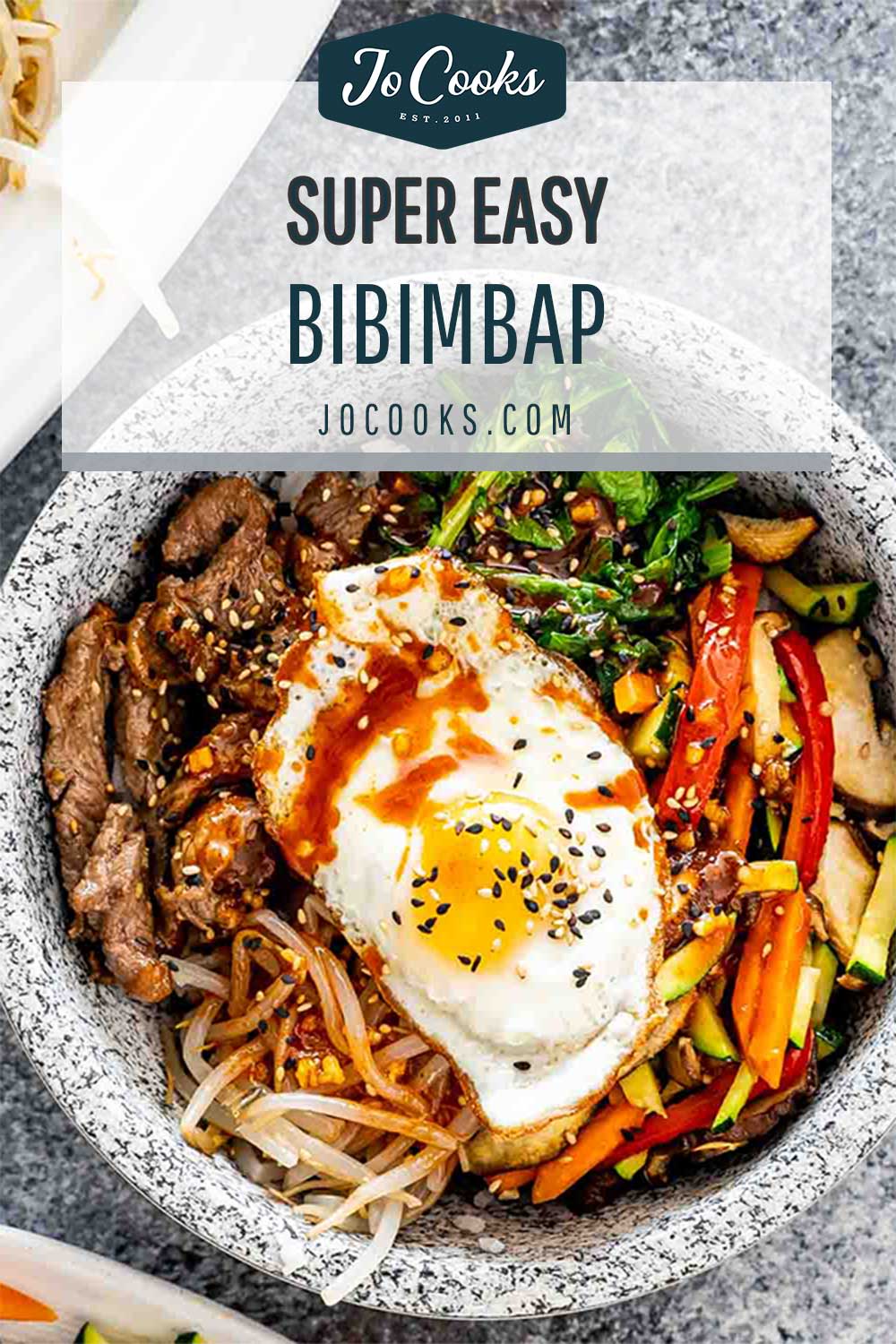
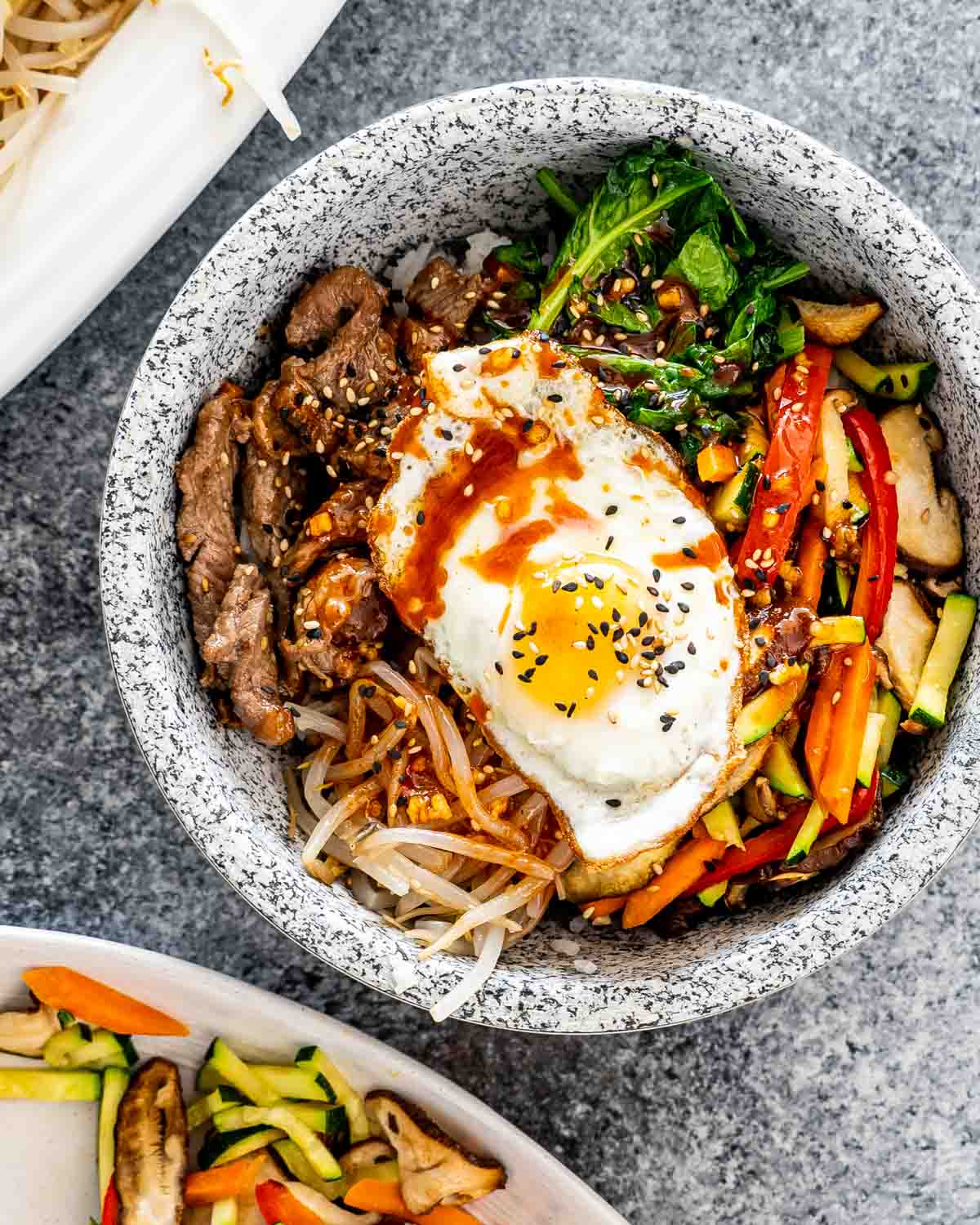
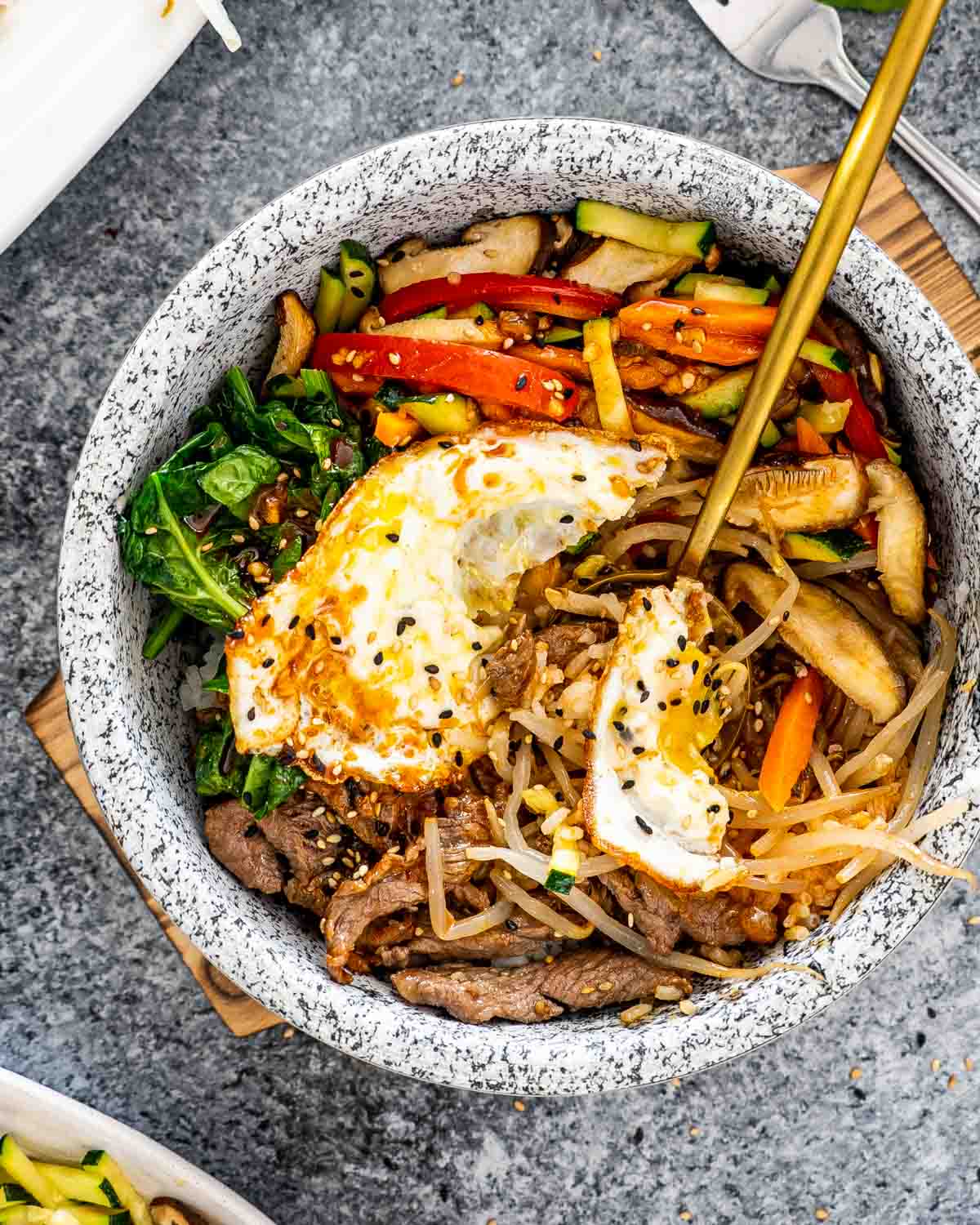
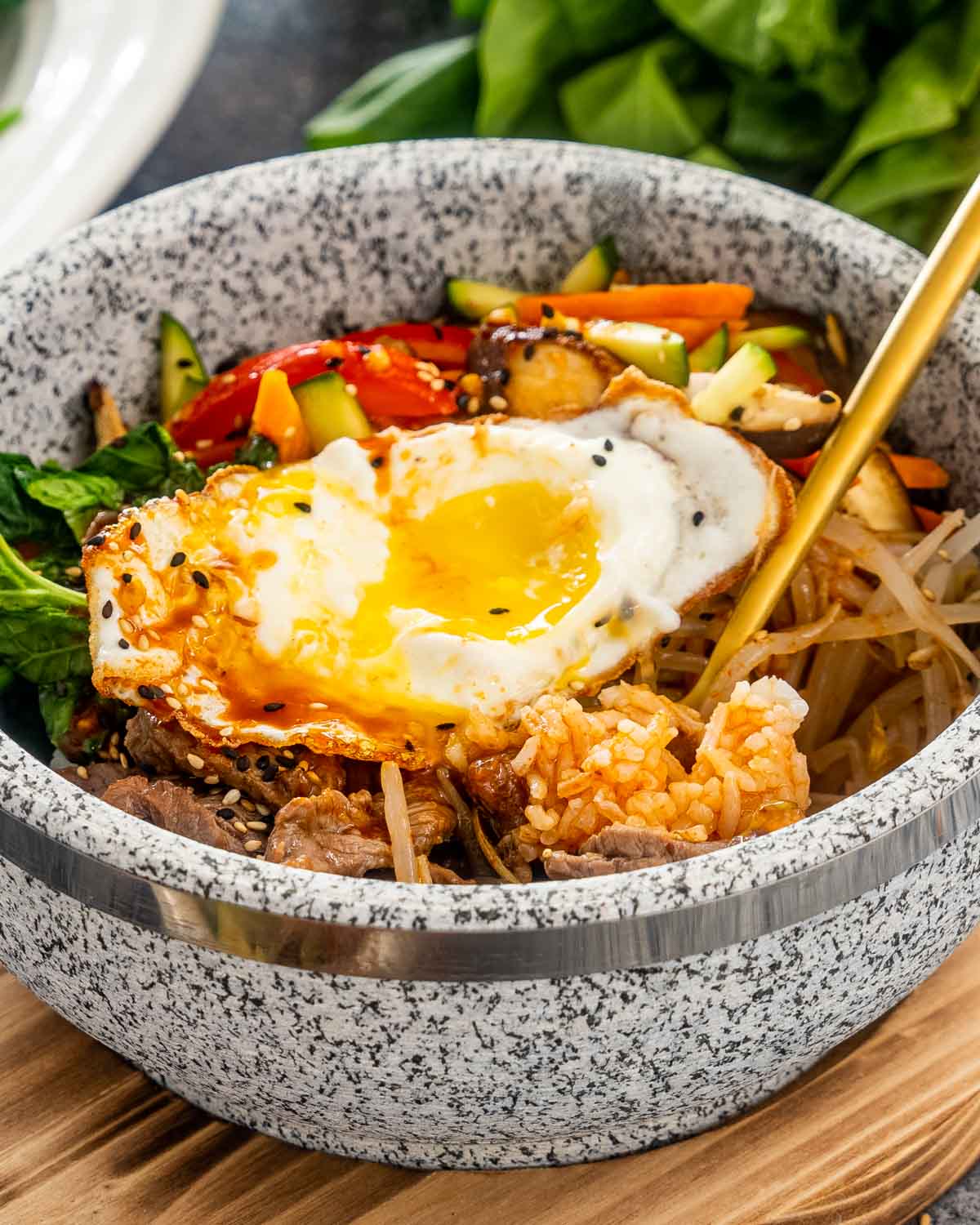
Bibimbap (Korean Rice Bowl) – spicy-sweet gochujang sauce, sizzling beef, roasted veggies, and that runny fried egg moment.

This Bibimbap Left My Table Speechless (Literally)
Bibimbap looks like the kind of meal that requires a culinary degree and seven tiny sauté pans. Spoiler: it doesn’t. I’ve cracked the code so you get all the sizzling beef, spicy-sweet sauce, rainbow veggies and that glorious fried egg moment, without turning your kitchen into a war zone.
The first time I made this at home, there was silence at the table. And if you know Remo, you know this is not normal. The man always has an opinion, usually mid-bite. But this time? Just quiet, happy eating. Which is the highest compliment a recipe can get around here.
This is the rice bowl I pull out when I want dinner to look like I worked harder than I actually did. And bonus, it tastes even better than it looks.
Why You’ll Love My Bibimbap
- Weeknight doable. No joke, one pan for the veggies, one skillet for the beef, and dinner’s done. No juggling ten tiny sauté pans like you’re on a cooking show.
- Looks impressive, zero stress. Restaurant vibes with simple steps.
- The sauce is everything. Spicy, garlicky, sweet, and totally addictive. I could drink it. I won’t. But I could.
- Customize it like a pro. Don’t eat beef? Use tofu. Hate mushrooms? Skip them. Bibimbap is the choose-your-own-adventure of rice bowls.
- You’ll actually feel good after eating it. It’s packed with fresh veggies, lean protein, and bold flavor. Aka comfort food that doesn’t leave you needing a nap.

- Prep before you cook. Get everything sliced, marinated, and mixed before the heat goes on. Bibimbap comes together fast once you start cooking, and no one wants to julienne carrots while beef is sizzling.
- Gochujang is essential. It’s the bold, spicy sweet flavor that makes bibimbap bibimbap. Nothing else does the same job.
- Taste as you mix. Balance honey, soy, and vinegar so it’s bold but still spoonable. You control the heat.
- Toasted sesame oil matters. It adds nuttiness and depth, regular sesame oil works, but toasted makes it sing.

- Slice it thin. Freezing the beef for 15 minutes makes it easier to cut into paper-thin strips.
- Marinate while you prep. Even 20 minutes in soy, garlic, and sesame oil gives you big flavor.
- Flexible protein. Tofu, mushrooms, or ground beef work if you’re swapping or skipping beef.

- Veggie rainbow. Zucchini, carrots, spinach, mushrooms, sprouts or whatever’s hanging in your fridge. The more color, the better.
- Roast, don’t stress. Roasting veggies on one sheet pan saves time (and your sanity) versus cooking each one separately.
- Rice tips. Short grain rice is traditional and sticky, but any hot rice works. Leftover rice is perfect for crisping in a pan for those golden bits.

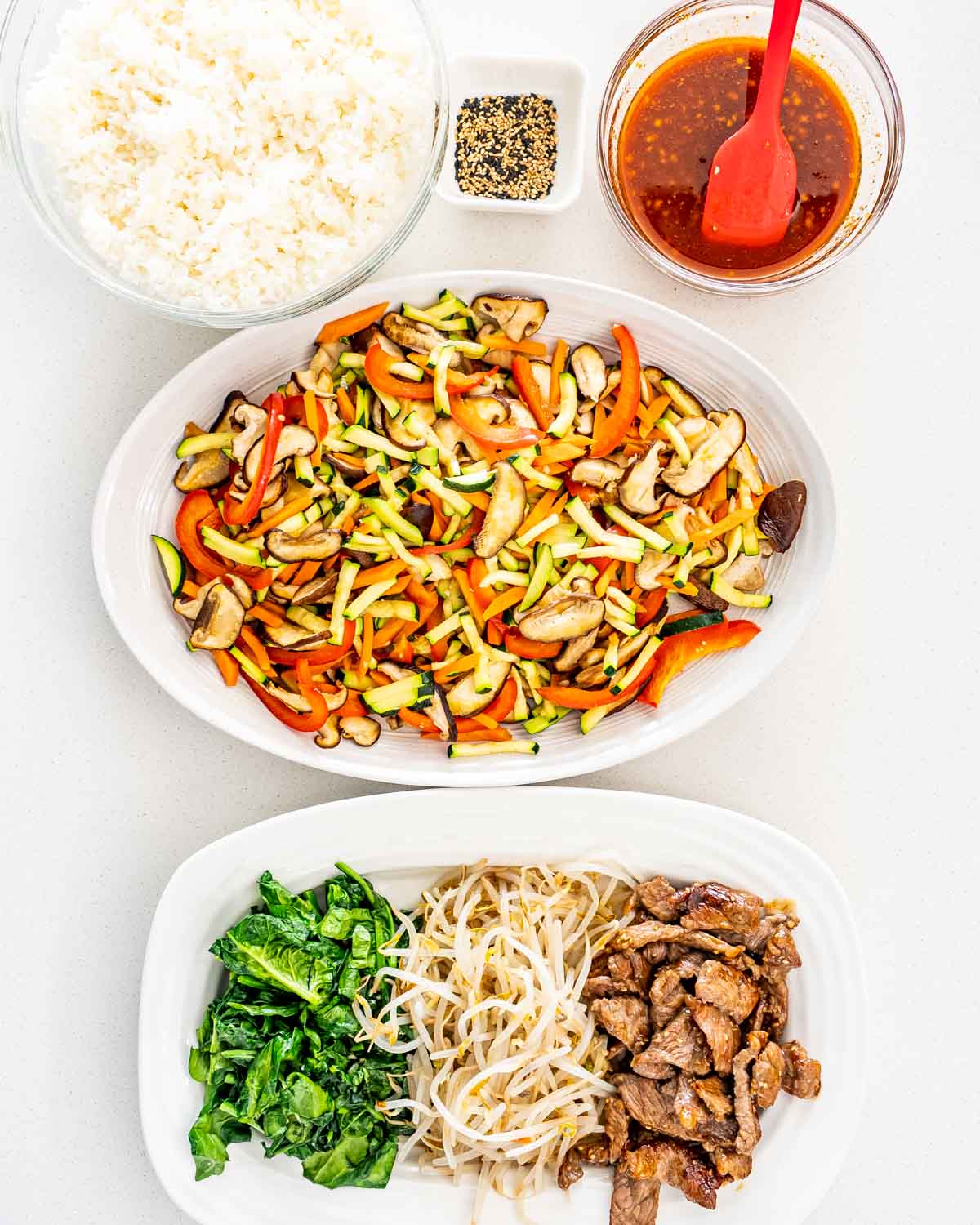
Whisk together gochujang, sesame oil, honey, soy sauce, garlic, rice vinegar, and a splash of water. Taste it, you want spicy sweet with enough tang to cut through the richness. Set aside so it’s ready when the bowls are built.

Combine thinly sliced beef with soy sauce, garlic, honey, sesame oil, and sesame seeds. Toss to coat and let it hang out while you prep everything else. Even 20 minutes is enough for big flavor.
Tip: If slicing beef feels like wrestling an octopus, stick it in the freezer for 15 minutes first. It’ll slice like butter.

Spread zucchini, carrots, bell pepper, and mushrooms on a sheet pan. Drizzle with sesame oil, sprinkle with salt and garlic, then roast at 450°F for 15 minutes. No babysitting, no five tiny pans, just golden, slightly caramelized veggies.

Quickly sauté spinach in sesame oil with garlic until just wilted. Blanch the bean sprouts in boiling water for 5 minutes, drain, then toss with sesame oil and garlic. These two add freshness and crunch that balance the bold sauce and beef.

Heat a bit of sesame oil in a skillet over high heat. Add the marinated beef and cook 3 to 4 minutes until browned with a little char. Don’t crowd the pan, you want sizzle, not steam.
Scoop hot rice into each bowl. Arrange your veggies and beef on top, fry an egg to your liking (runny yolks are bibimbap gold), and nestle it right in the center.
Drizzle with sesame oil, sprinkle sesame seeds, and add that spicy sauce. Mix it all up right before eating. It looks pretty for two seconds, then it’s chaos, the best kind.
What to Serve with Bibimbap
Bibimbap is basically a meal in itself, carbs, protein, veggies, sauce, all in one glorious bowl. But if you want to turn it into a full Korean style spread, here are some ideas:

Better-Than-Takeout Korean Fried Chicken
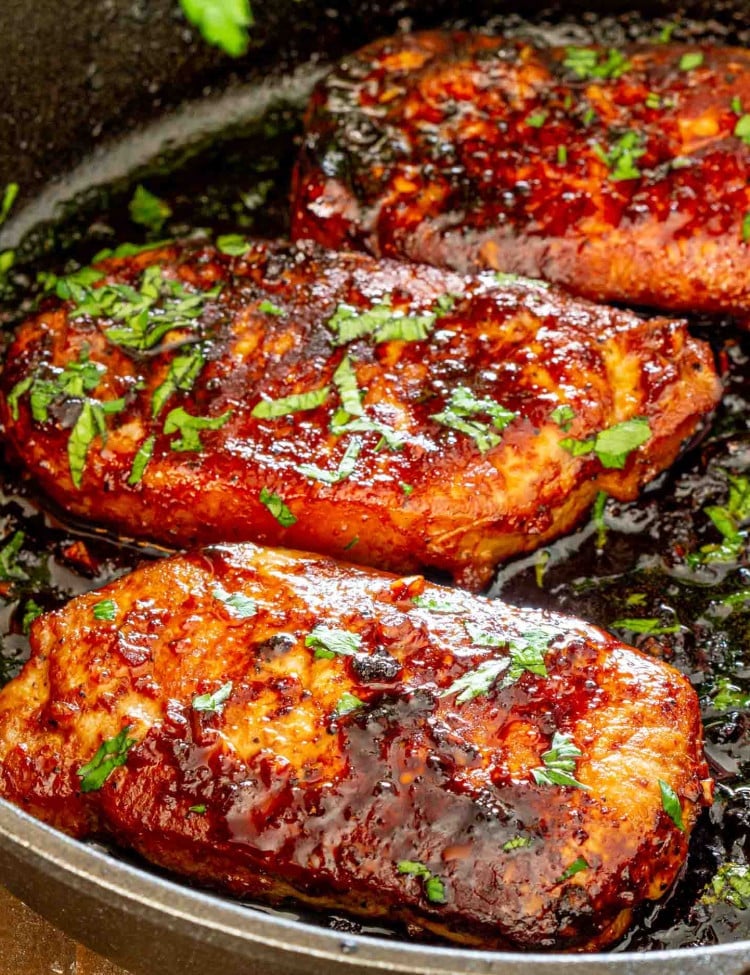
Korean Style Pork Chops
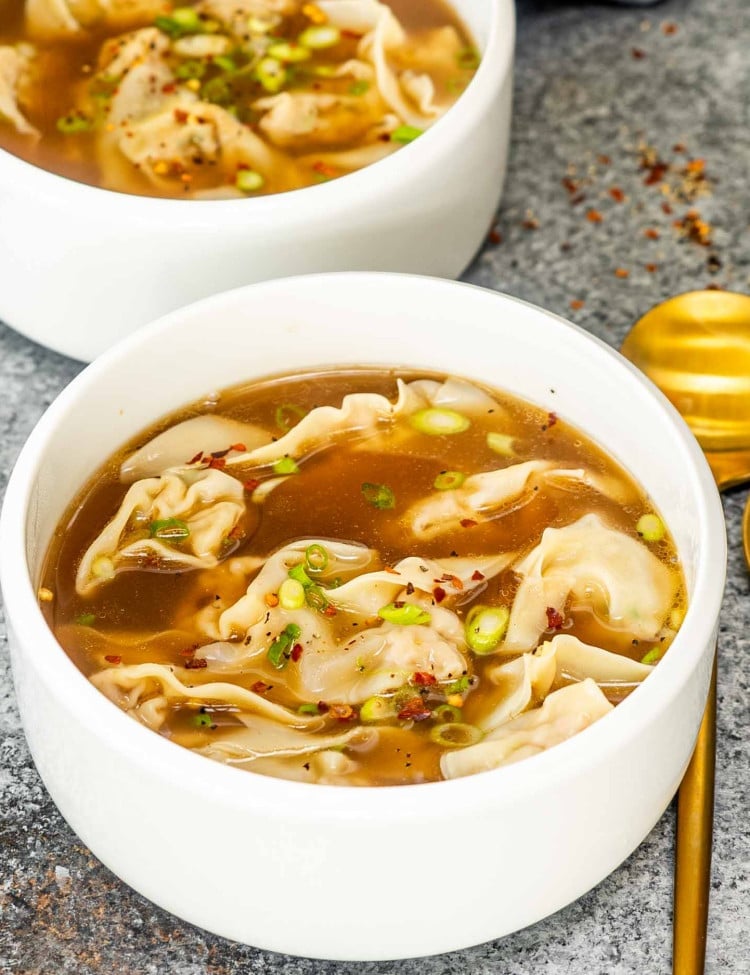
Wonton Soup

Korean Meatballs
Frequently Asked Questions
Can I make this vegetarian or vegan?
Yes! Skip the beef and egg, and swap in tofu or mushrooms for protein. The sauce is already vegan if you use maple syrup instead of honey.
What if I don’t have gochujang?
Gochujang is unique, but in a pinch you can mix miso paste with sriracha or chili flakes. It won’t be exact, but it still gives you a spicy savory vibe.
Can I use ground beef instead of sliced steak?
Yep! Brown it up with the same marinade ingredients and it works great. Not as traditional, but it’ll work.
How do I store leftovers?
Keep everything in separate containers if possible, rice, beef, veggies, sauce, and eggs all do best on their own. Store in the fridge for up to 3 days.
Can I reheat bibimbap?
Reheat rice and toppings separately, then fry a fresh egg when you’re ready to serve. If you’ve got a dolsot bowl, this is the time to use it, crisp that rice up on the stovetop for bonus points.
Is bibimbap spicy?
Only if you want it to be. The heat comes from the gochujang sauce, so start with a little and add more as you stir.
Do I need a dolsot (stone bowl) to make this?
Nope. It’s nice for that crispy rice bottom, but not required. You can mimic it by heating rice in a cast iron skillet until it sizzles before building your bowl.
Can I prep anything ahead of time?
Definitely. Mix the sauce and marinate the beef up to a day in advance. You can also roast or sauté the veggies ahead and reheat quickly before serving.
More Korean Recipes To Try
Before You Begin! If you make this, please leave a review and rating letting us know how you liked this recipe! This helps our business thrive & continue providing free recipes.
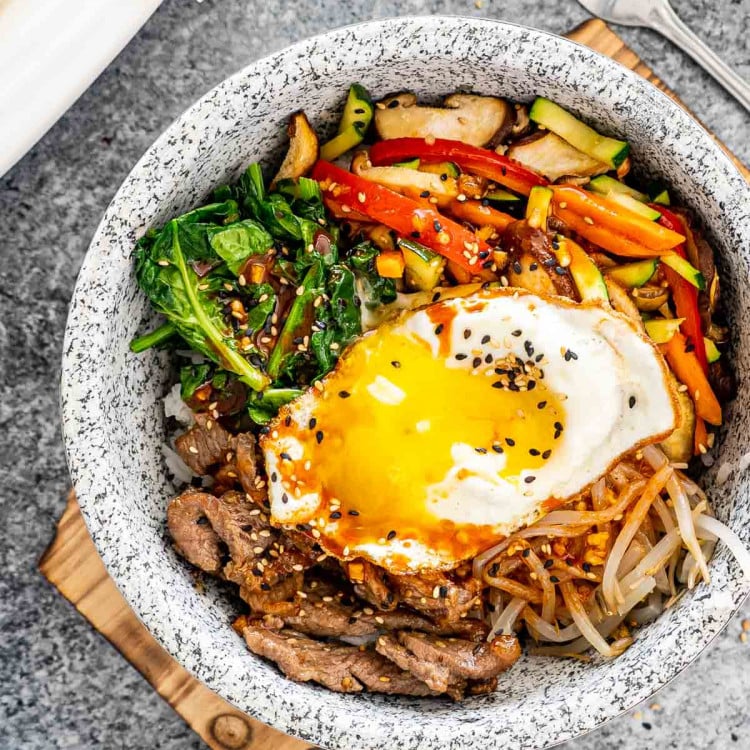
Bibimbap (Korean Rice Bowl)
Video
Ingredients
- 4 cups white rice (cooked, short grain)
- 4 large eggs
- 2 teaspoons sesame seeds (black and white, toasted)
Korean Beef
- 8 ounces beef tenderloin (cut into thin strips, or any steak such as rib eye)
- 2 cloves garlic (minced)
- 1 tablespoon soy sauce (low sodium)
- 1 tablespoon honey
- 2 teaspoons toasted sesame oil
- 1 teaspoon sesame seeds
Vegetables
- 1 large zucchini (cut into 2 inch strips)
- 1 large carrot (cut into long strips)
- 1 red bell pepper (cut into thin strips)
- 8 ounces shiitake mushrooms (sliced)
- 8 ounces spinach (roughly chopped)
- 2 cups bean sprouts
- 6 cloves garlic (minced)
- 6 teaspoons sesame oil
- 1½ teaspoons salt
Bibimbap Sauce
- ¼ cup gochujang (Korean chili paste)
- 2 tablespoons sesame oil
- 2 tablespoons honey
- 2 tablespoons water
- 2 tablespoons rice vinegar
- 2 tablespoons soy sauce (low sodium)
- 2 cloves garlic (minced)
Before You Begin! If you make this, please leave a review and rating letting us know how you liked this recipe! This helps our business thrive & continue providing free recipes.
Instructions
- Preheat your oven to 450°F. Line a baking sheet with parchment paper.
Bibimbap Sauce
- Combine all the bibimbap sauce ingredients together in a medium sized bowl and set aside.
Marinate Beef
- Add all the beef ingredients to a bowl and toss everything until well combined. Refrigerate until ready to cook.
Vegetables
- Add the zucchini, carrots, bell pepper and mushrooms to the prepared baking sheet, season with 1 teaspoon of salt, 2 teaspoons minced garlic and 4 teaspoons (1 tablespoon) sesame oil. Toss everything together then transfer the baking sheet to the oven and roast for 15 minutes until vegetables are tender.
- Heat 1 teaspoon of sesame oil in a clean skillet over medium-high heat. Add spinach to the skillet and saute for about 1 minute until spinach starts to wilt. Add ¼ teaspoon salt and ½ teaspoon minced garlic. Stir everything together, then transfer to a large platter.
- Blanche the bean sprouts in boiling water for 5 minutes, then drain under cold water. Place them in a bowl and toss together with a teaspoon of sesame oil ¼ teaspoon salt and ½ teaspoon minced garlic. Transfer to the large platter.
Cook Meat
- Heat 2 teaspoons of sesame oil to a large skillet over high heat. Add the beef to the skillet and cook for 3 to 4 minutes until the beef start to char a bit.
Assemble Bowls
- Fry eggs in a skillet to your liking, preferably with runny yolks.
- Place hot rice in bowls then top with vegetables, meat and finally egg.
- Sprinkle with sesame seeds and drizzle some extra sesame oil. Serve with Bibimbap sauce.
Notes
- Rice: Short grain white rice is traditional for stickiness, but jasmine or even brown rice works in a pinch.
- Veggies: Use what you have, zucchini, carrots, mushrooms, spinach and sprouts are classic, but bell peppers or kale work too.
- Beef: Slice thin for quick cooking. Freezing for 15 minutes makes it easier to slice.
- Prep ahead: Sauce and beef can be prepped the night before. Veggies can be roasted ahead and reheated.
- Dolsot bowls: Optional, but great for crispy rice. A hot cast iron skillet works too.
- Spice level: Adjust gochujang to taste. Start mild and add more if you like it hotter.
Nutrition Information
Notice: Nutrition is auto-calculated for your convenience. Where relevant, we recommend using your own nutrition calculations.