Beef Chow Mein
This post may contain affiliate links. Please read my disclosure policy.
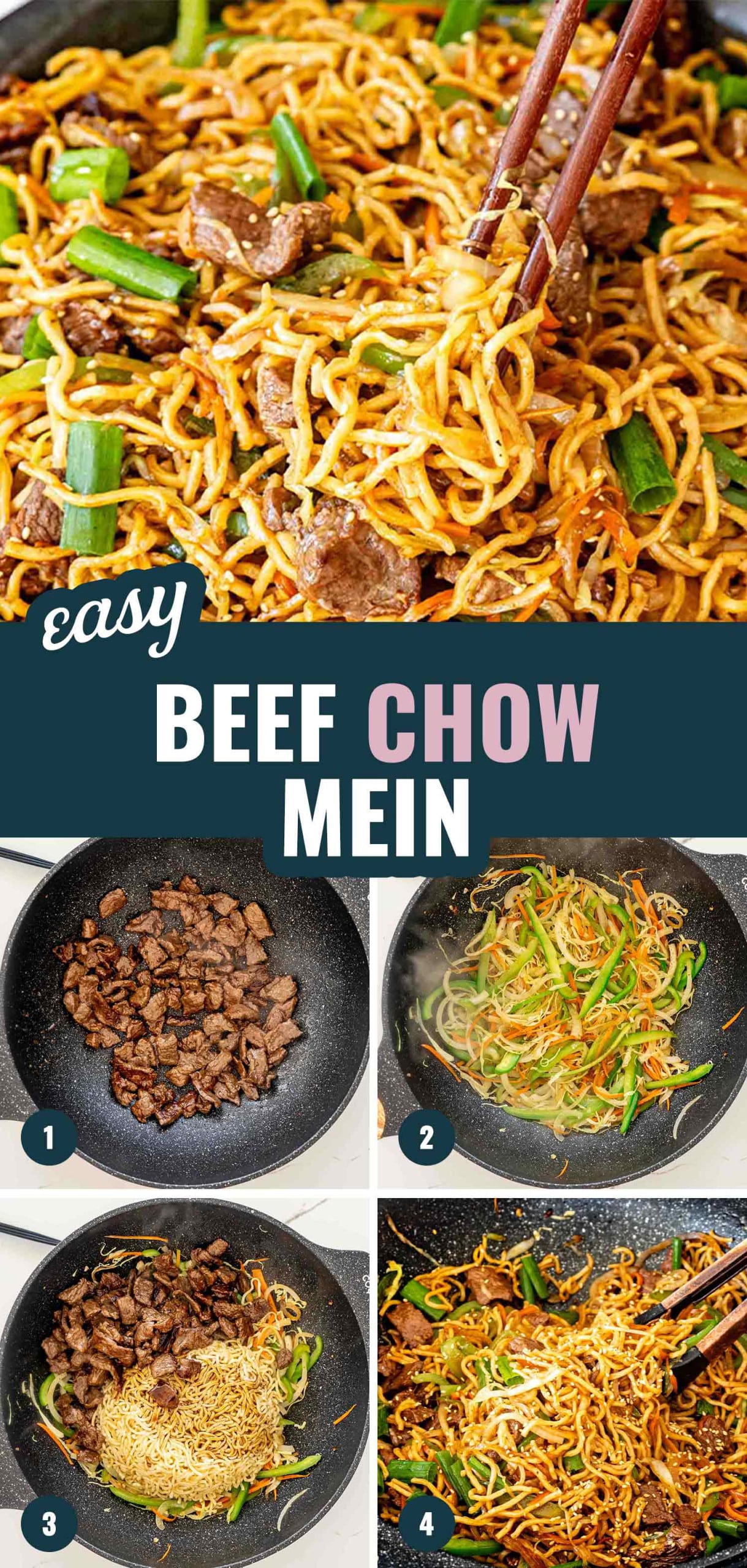
Beef Chow Mein is proof that you don’t need hours or a restaurant kitchen to pull off something delicious. A quick sauce, a hot pan, and in no time you’ve got saucy noodles and beef that everyone swears must be takeout.
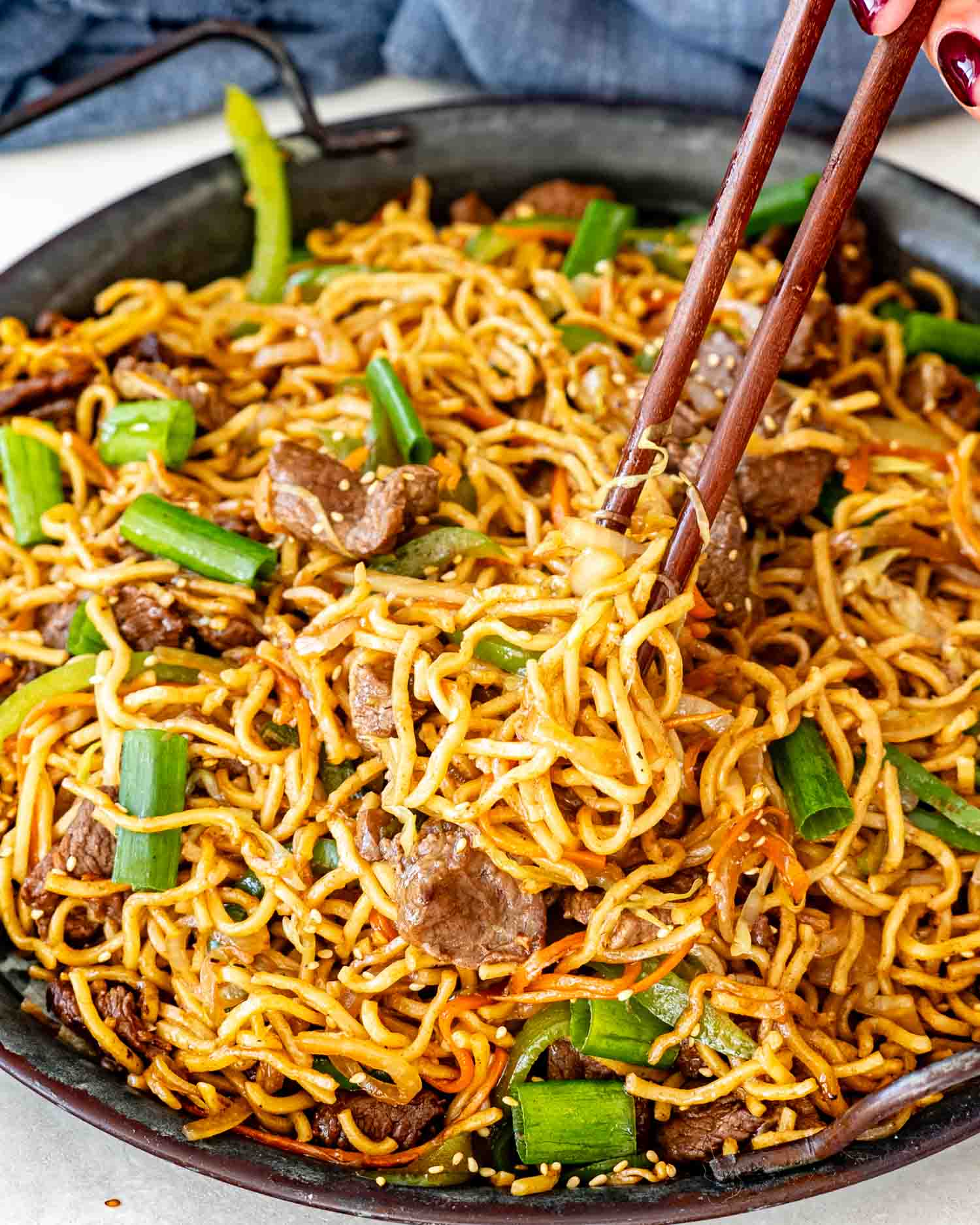

Noodles on the Table in 30
Beef Chow Mein is my kind of weeknight lifesaver. It is cheap, fast, and doesn’t require a trip to the specialty store for mystery ingredients you’ll never use again. A wok, a handful of pantry staples, some noodles, and suddenly you look like the kind of person who makes their own takeout. Spoiler: you are, and it is ridiculously easy.
You guys already know how much I adore putting my spin on Asian takeout classics. I get emails all the time about how dishes like this save dinners and win over picky eaters. And Remo? He loves these noodle nights so much he thinks I make them just for him. Honestly, I just like how fast they hit the table and how smug I feel watching him go back for thirds.
Why You’ll Love This Beef Chow Mein
- Budget friendly. A pound of beef, a pack of noodles, and a few veggies. Cheap, cheerful, and nobody leaves hungry.
- Faster than delivery. By the time takeout shows up, you could already be halfway through your second bowl.
- Crowd approved. Readers love my Asian inspired recipes, and this one is no exception. Even picky eaters twirl their noodles like pros.
- Takeout vibes, home price. Saucy, slurpy, savory noodles without the grease bomb or delivery fee.
Before You Start: Tips & Ingredient Notes
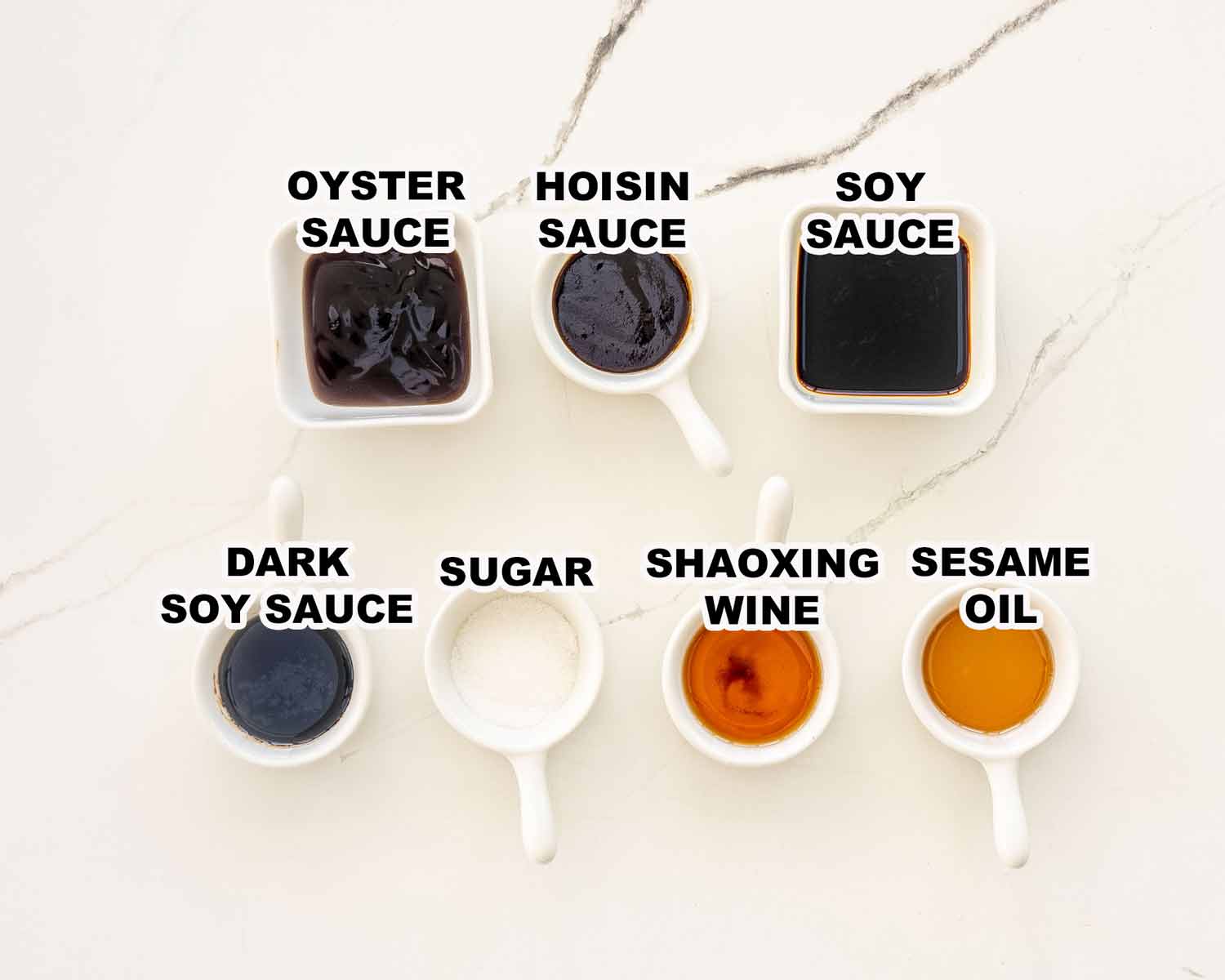
- Soy sauce. I use both light and dark. Dark soy gives you that glossy mahogany color and a deeper kick of flavor. Light soy brings the salt without drowning everything in soy. If all you have is one sad bottle labeled “soy sauce,” go ahead and use it. Just do not use only dark soy unless you enjoy overpowering salt bombs.
- Oyster sauce. This is my secret for lots of flavor. Sweet, savory, and the shortcut to making your chow mein taste like it came out of a restaurant wok. Vegetarian versions exist, or use hoisin if that is what you have.
- Hoisin sauce. Already in the mix here, it brings sweetness and that faint spice kick. Together with oyster, it makes the noodles glossy and rich.
- Shaoxing wine. The not-so-secret trick behind why restaurant stir fries taste better than home versions. If you can find it, use it. If not, dry sherry or mirin works. Broth will do in a pinch, but let’s be honest, you will be missing that magic touch. I usually buy mine from amazon.
- Sesame oil. This is a finishing oil, not a frying oil. Think of it like perfume for your noodles. A drizzle at the end and suddenly the whole dish smells like heaven.
- Sugar. One teaspoon. That is it. Without it the sauce tastes flat. Do not fight me on this.
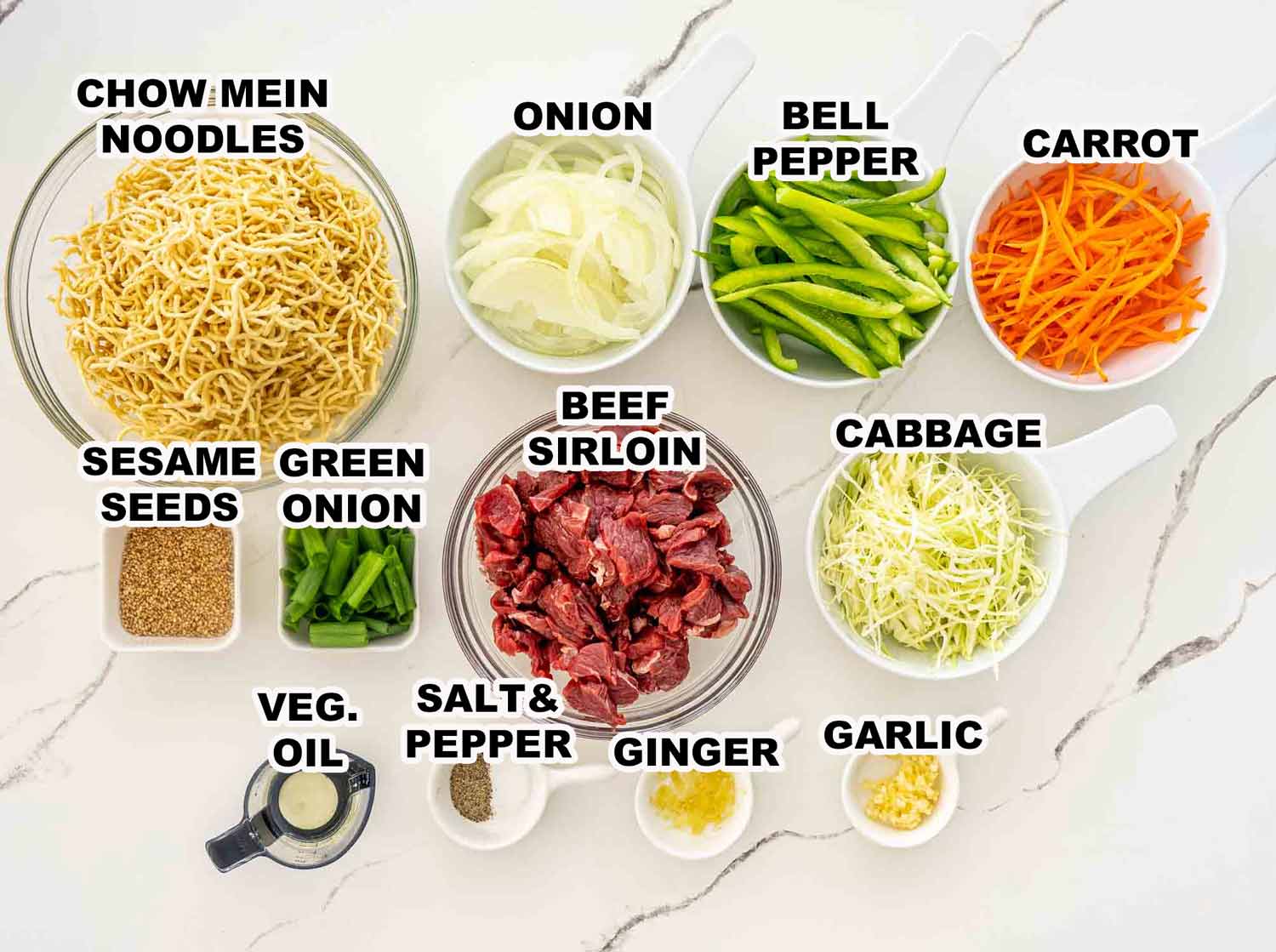
- Beef. Flank or sirloin are your best bet. Slice it thin and cut against the grain or your beef will chew back. A quick soy marinade helps it stay juicy and adds flavor.
- Noodles. Chow mein noodles start out looking dry and crinkly. Cook them just until al dente, then rinse under cold water to stop them from sticking together in a sad clump. No chow mein noodles? Use lo mein, egg noodles, or even spaghetti. Nobody will know once it is coated in sauce.
- Garlic and ginger. Non-negotiable. They bring the punch. Fresh is best, powdered is sad.
- Vegetables. Onion, cabbage, carrot, and bell pepper keep it classic. This dish is forgiving though, so throw in mushrooms, snow peas, or whatever is sulking in the crisper. Just cut everything into strips so it cooks fast.
- Green onions. Tossed in at the end for crunch and freshness. Skip them only if you want your chow mein to taste like something is missing.
- Prep everything first. Chow mein moves fast once you start cooking. Slice, dice, and line up your ingredients before the wok even hits the stove. Stir-fry is not the place for mid chop multitasking.
- Hot wok. The golden rule of stir-fry. If your pan is not ripping hot, your beef will steam, your veggies will wilt, and you will be mad at me.
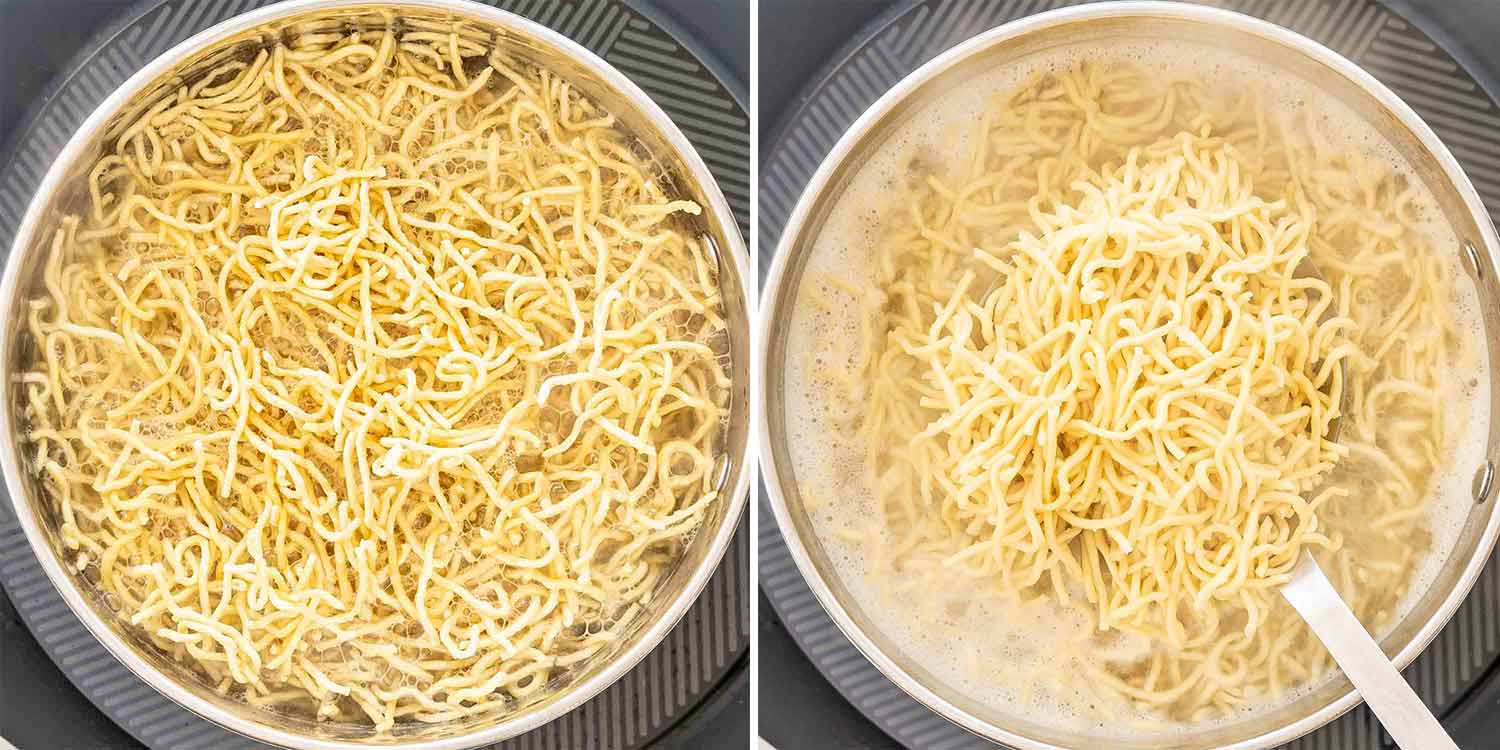
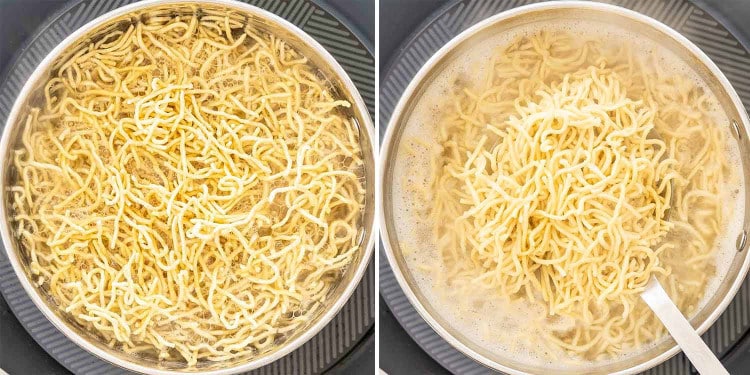
Boil the chow mein noodles until just al dente, then drain and rinse under cold water. This keeps them from sticking together in one big lump. Do not overcook because they will get another round of heat in the wok.
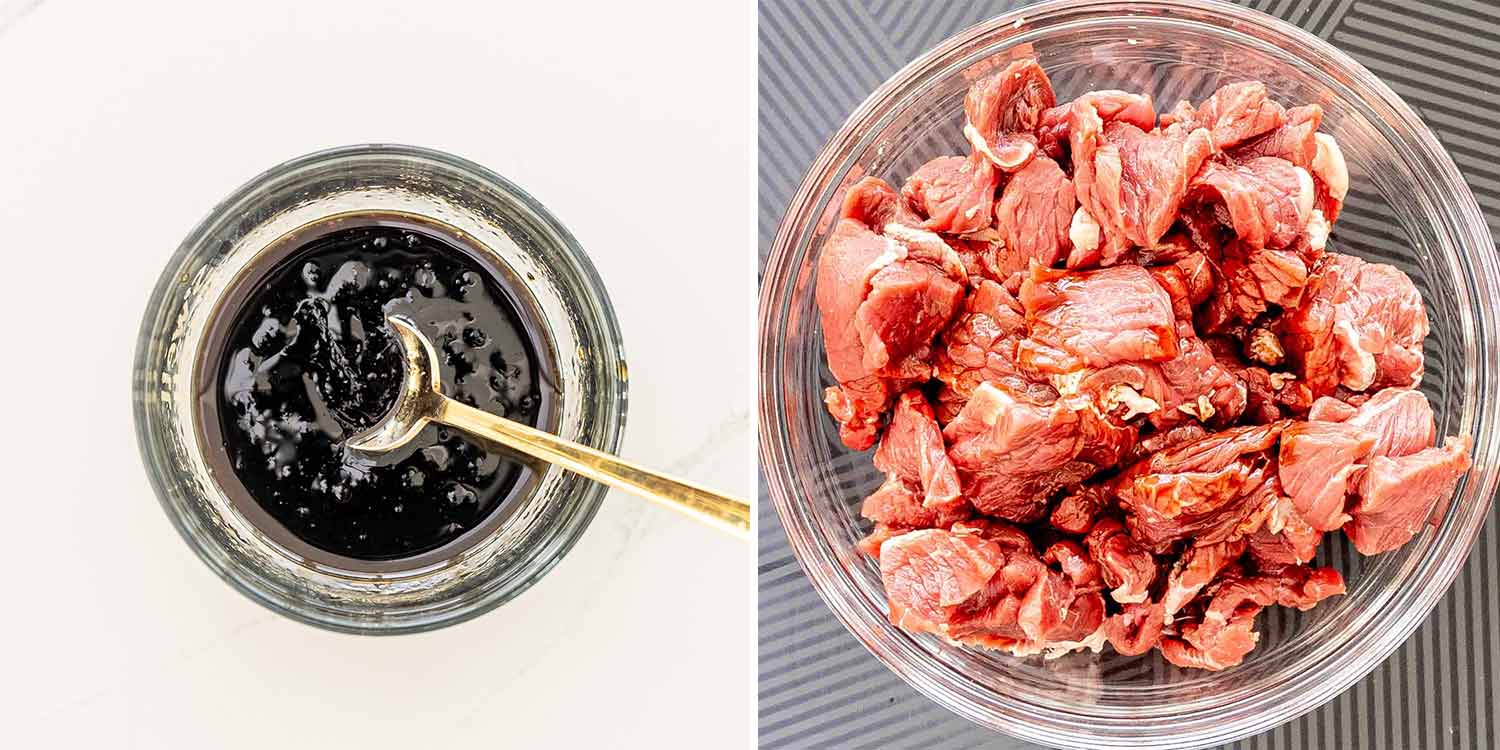
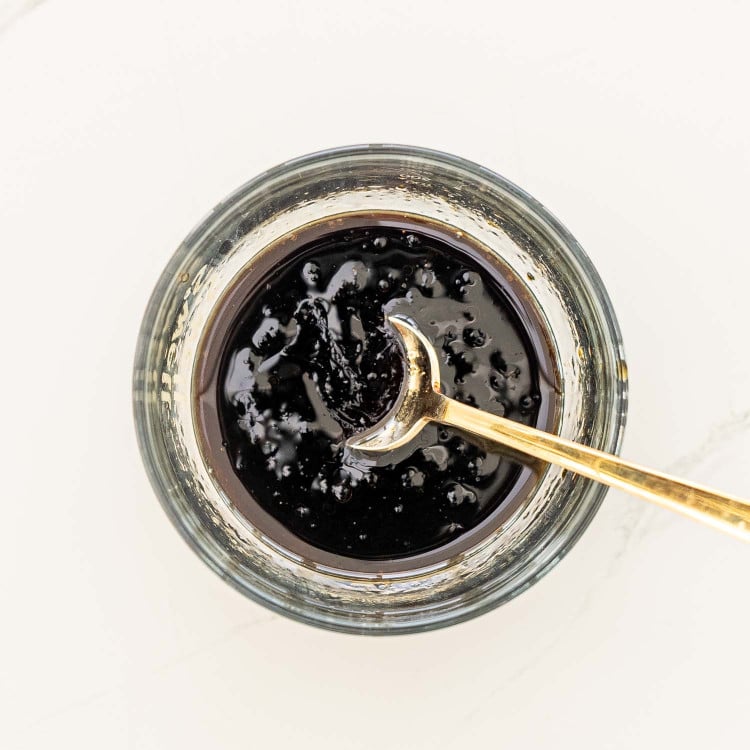
In a small bowl, whisk together the soy sauces, oyster sauce, hoisin, Shaoxing wine, sesame oil, and sugar. It should taste a little stronger than you expect since it has to season the noodles, beef, and vegetables all at once.
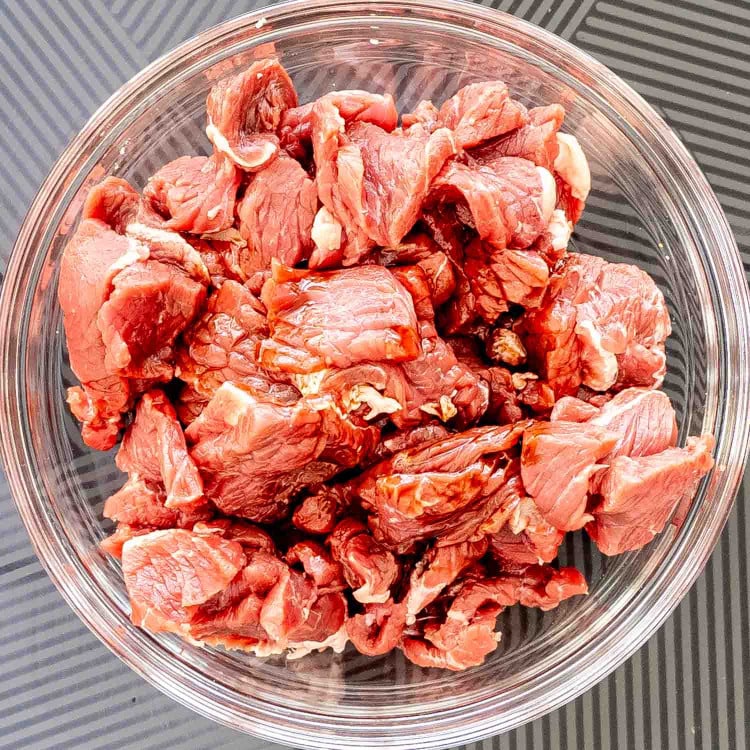
Toss the thinly sliced beef with a splash of soy sauce and let it rest for 5 to 10 minutes. This simple step gives flavor and helps the beef brown beautifully. Slice against the grain or your beef will chew back.
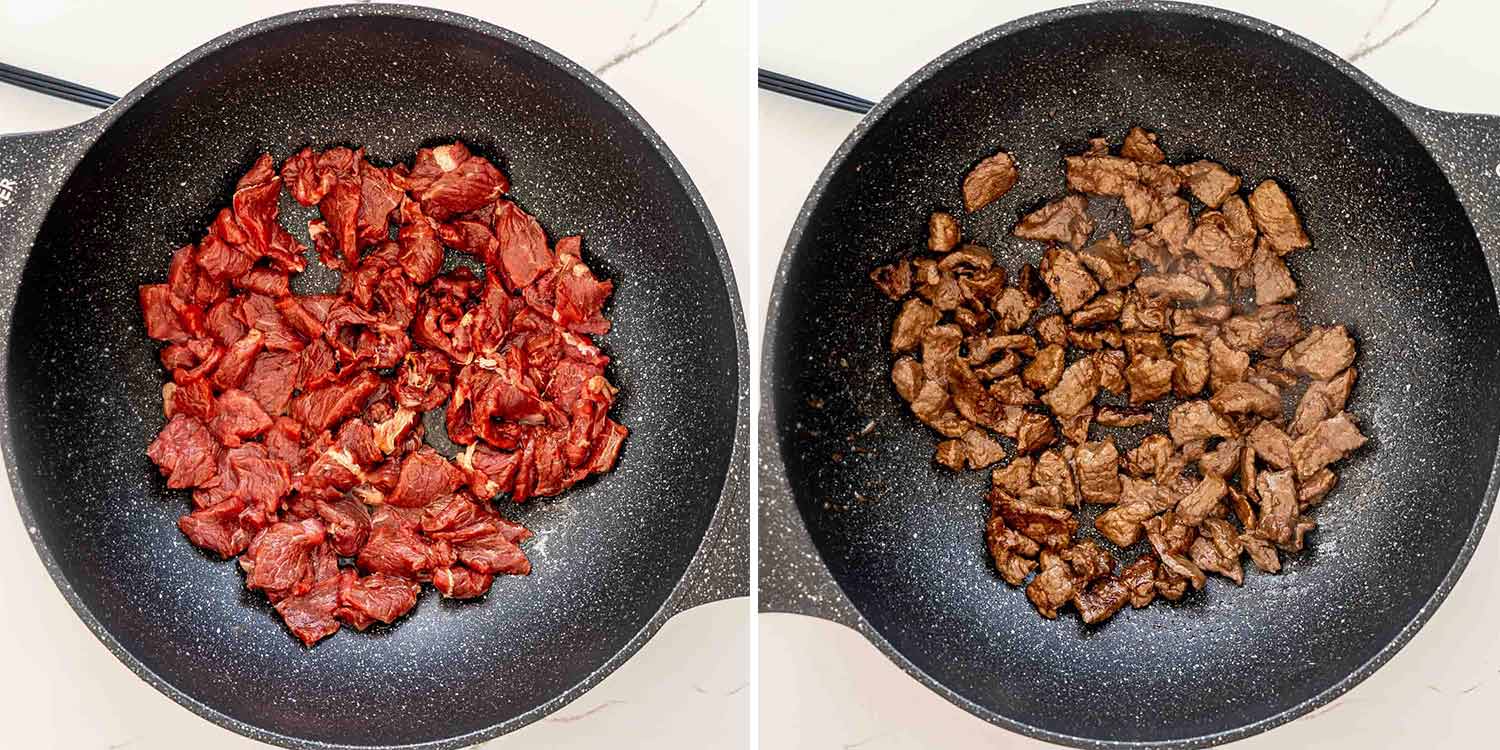
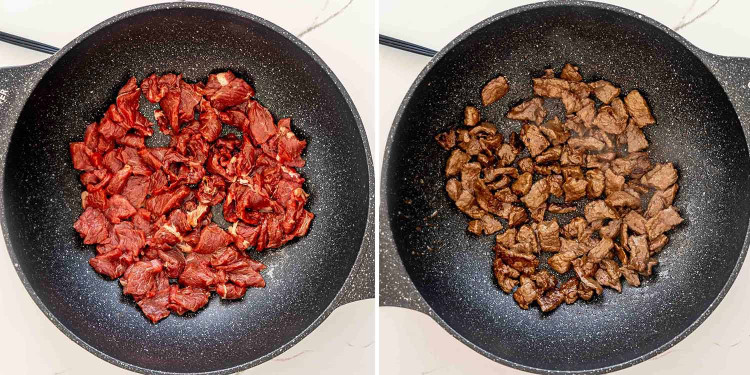
Heat your wok until it is smoking hot. Add a little oil, then stir-fry the beef in batches. If you crowd the wok the beef will steam instead of sear. Once browned, set it aside.
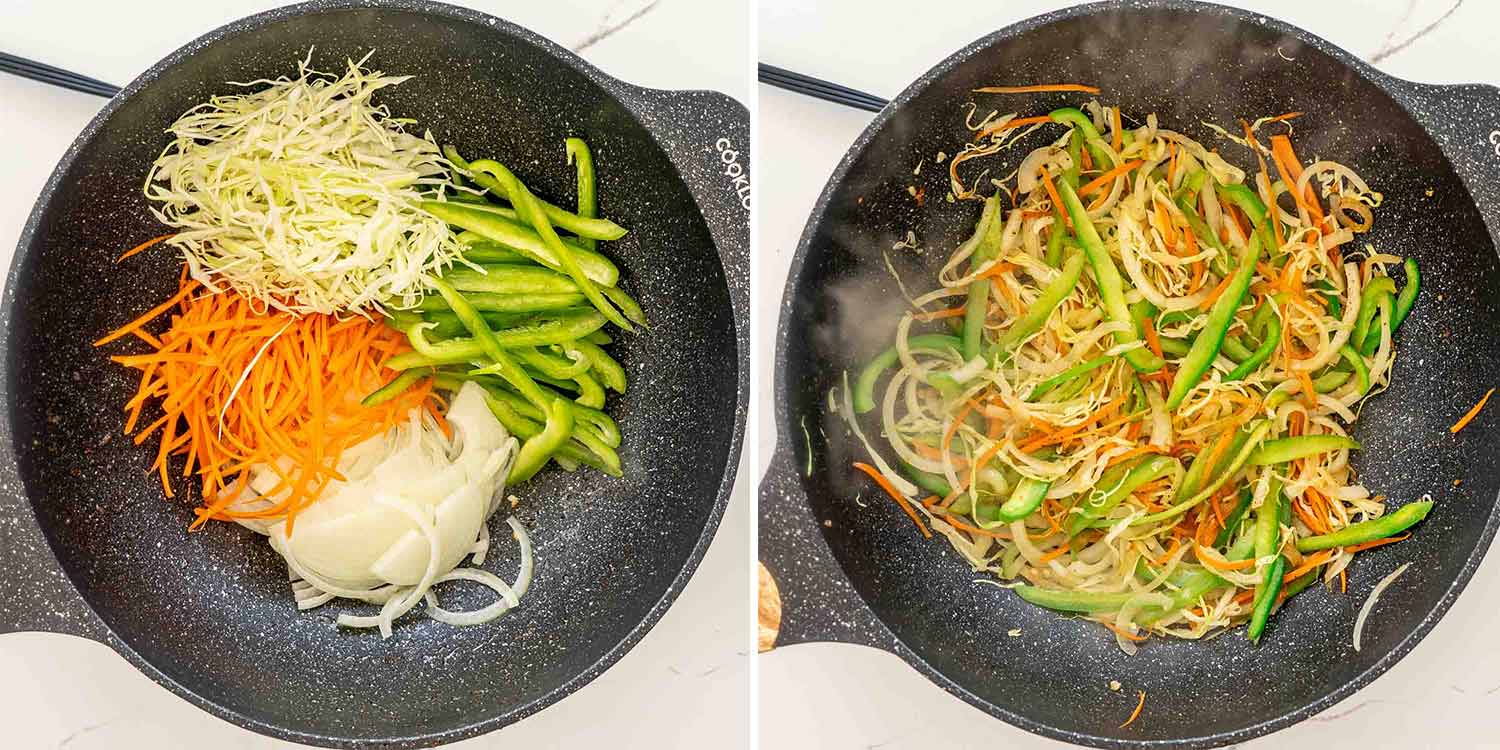
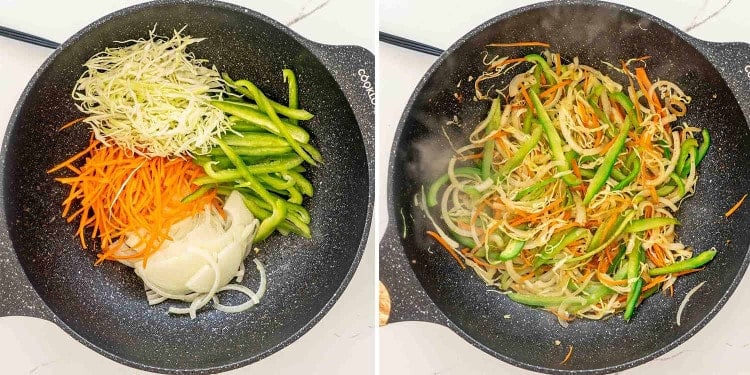
In the same wok, add another drizzle of oil along with garlic and ginger. Cook until fragrant, which is chef-speak for “when your kitchen smells amazing.” Toss in the onion, carrot, cabbage, and bell pepper. Stir-fry for a few minutes until they are tender but still crisp. Soggy vegetables equal sad chow mein.
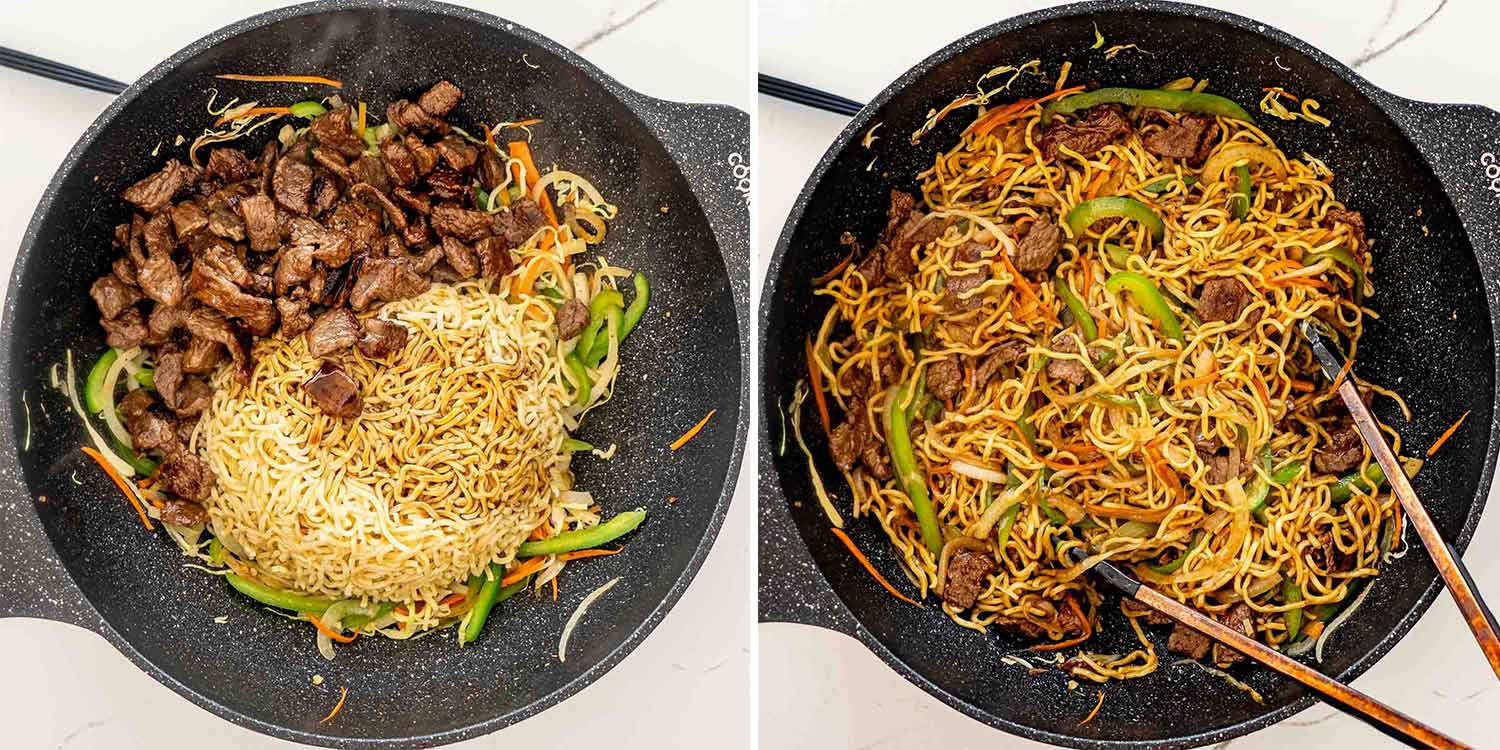
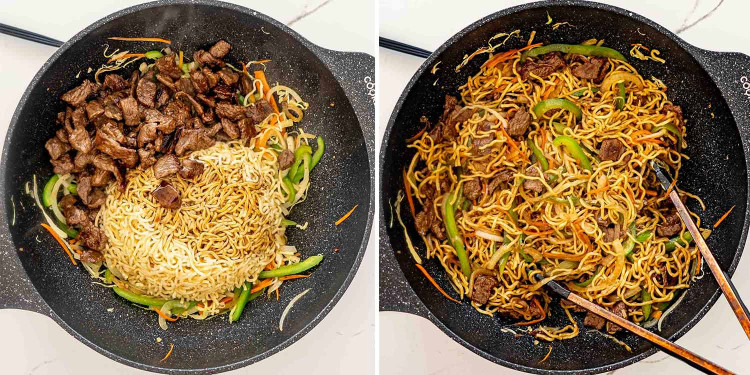
Return the beef to the wok, add the noodles, and pour in the sauce. Toss everything quickly until glossy and coated. If it looks dry, splash in a little of the noodle cooking water.
Stir in the green onions, adjust the seasoning, and sprinkle with sesame seeds. Serve right away before your husband or kid swoops in for “just a taste” and eats half the pan.
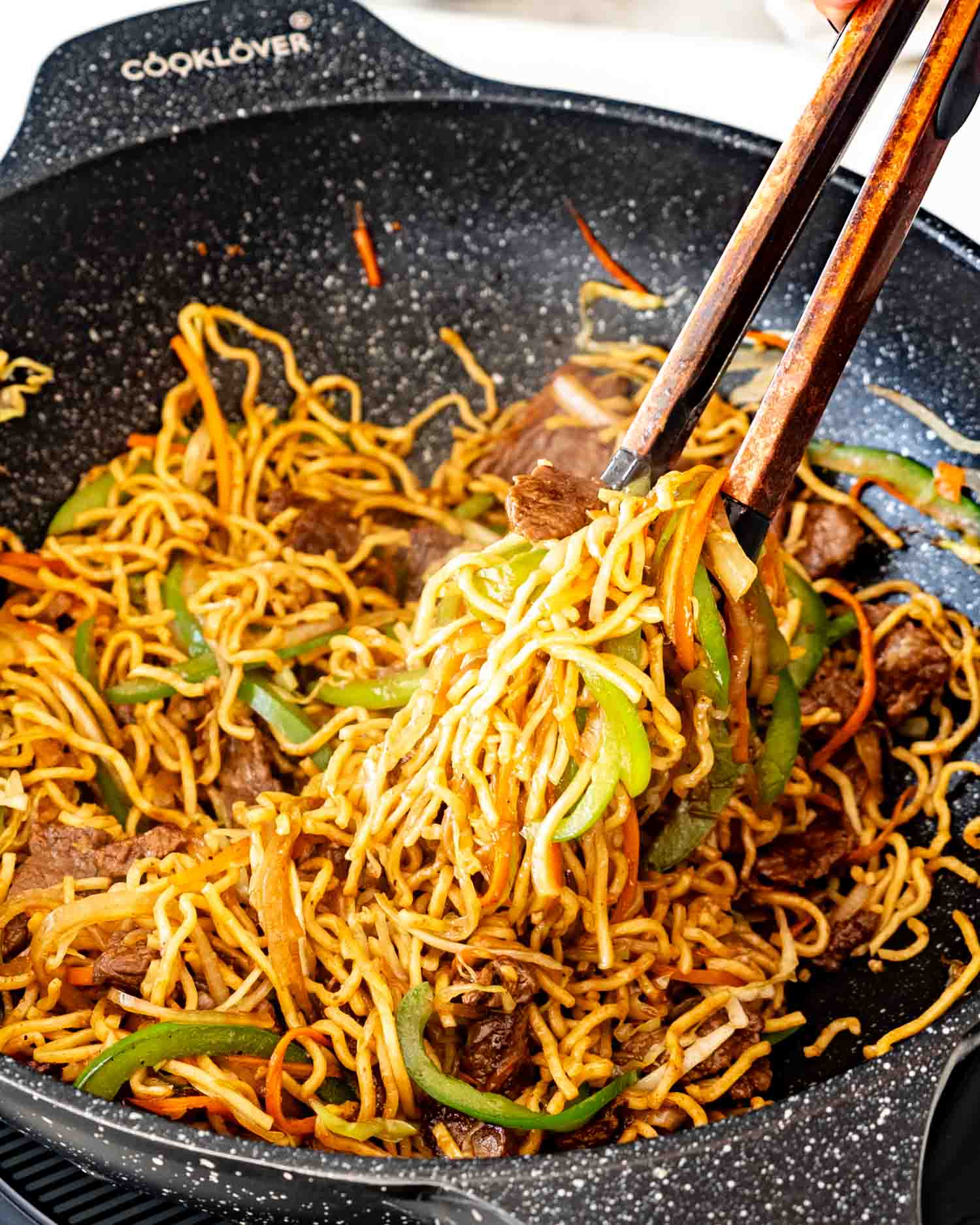
How To Serve
Beef Chow Mein is a full dinner all on its own. You have noodles, protein, and veggies all tangled together in a glossy sauce, which means no one leaves the table hungry. But if you want to turn it into a proper spread, here are a few easy pairings:

Egg Drop Soup
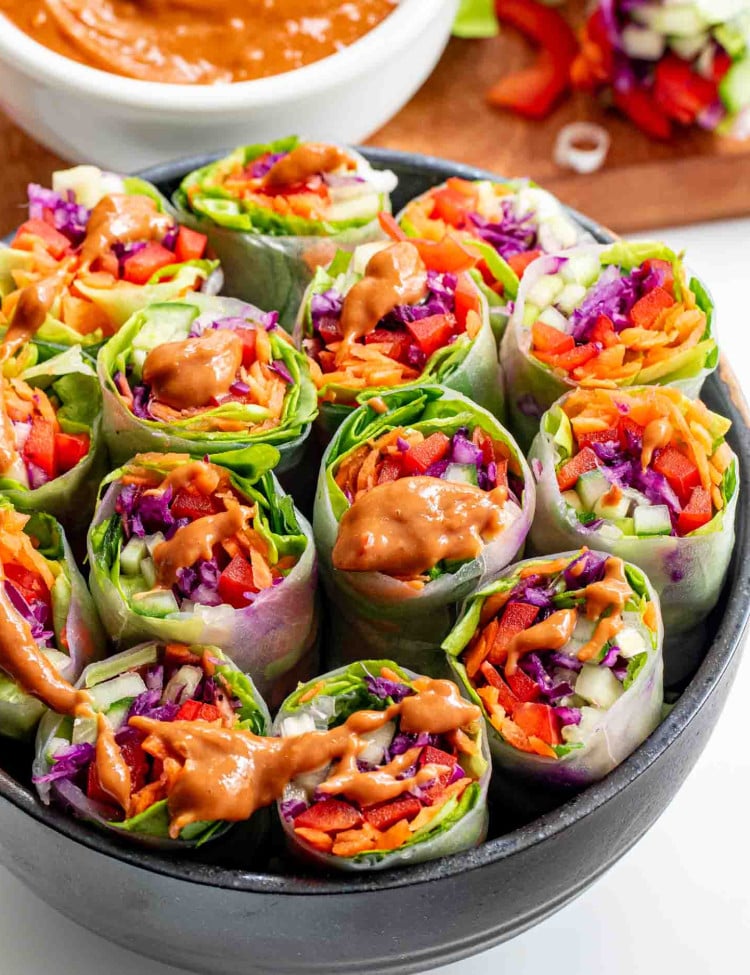
Fresh Spring Rolls
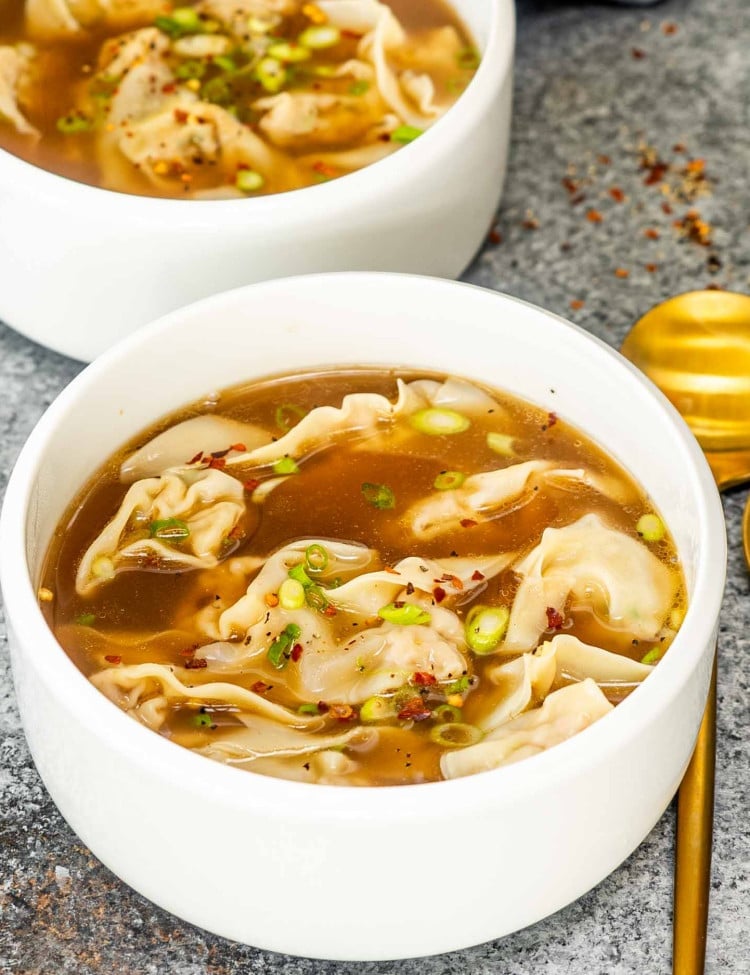
Wonton Soup
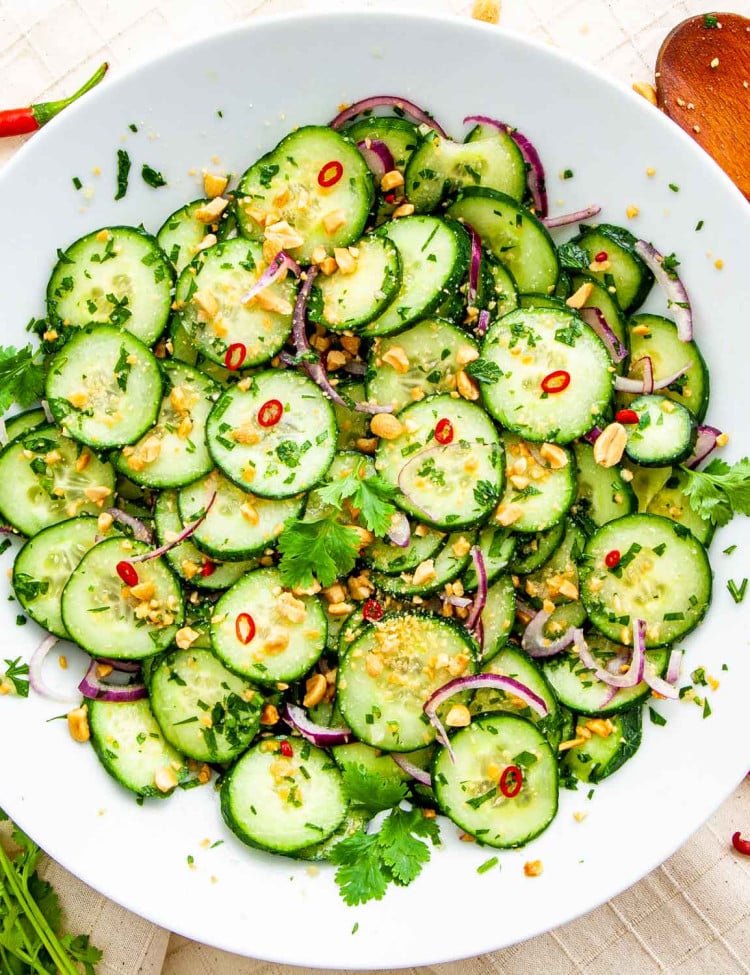
Thai Cucumber Salad
Frequently Asked Questions
Can I use a different cut of beef?
Yes. Flank steak and sirloin are my top picks because they stay tender when sliced thin and cooked quickly. Skirt steak works too, just be extra sure to slice against the grain or you will be chewing for days.
What if I can’t find chow mein noodles?
No problem. Lo mein noodles, fresh egg noodles, or even spaghetti will work in a pinch. Once tossed in sauce, no one will know. And no, I am not joking about the spaghetti, it works.
Do I really need Shaoxing wine?
If you want authentic restaurant style flavor, yes. It adds depth that broth alone cannot. But if you cannot find it, use dry sherry, mirin, or chicken broth. Just don’t leave it out without replacing it or your sauce will taste flat.
How do I keep my beef tender?
Two tricks: slice thinly against the grain and use a screaming hot wok. A quick soy marinade also helps the beef brown fast without drying out. Do those three things and your beef will stay melt-in-your-mouth.
Can I make this ahead?
Chow mein is best fresh because the noodles keep soaking up sauce as they sit. If you want to prep ahead, slice the beef and veggies and make the sauce. When dinner rolls around, just stir-fry and toss it all together. Dinner in ten minutes, and no sad leftover noodles.
Can I freeze Beef Chow Mein?
I don’t recommend it. The noodles turn mushy and the veggies lose their crunch. This is one of those recipes you want fresh off the wok. Leftovers will keep in the fridge for up to 3 days though. Reheat in a hot skillet with a splash of water to bring it back to life.
What veggies can I add?
This recipe is flexible. Mushrooms, snow peas, baby corn, bok choy, bean sprouts, all work beautifully. Just cut everything into bite sized strips so it cooks quickly. The only rule? Do not overcrowd the wok or you will end up with a stir-fry sauna.
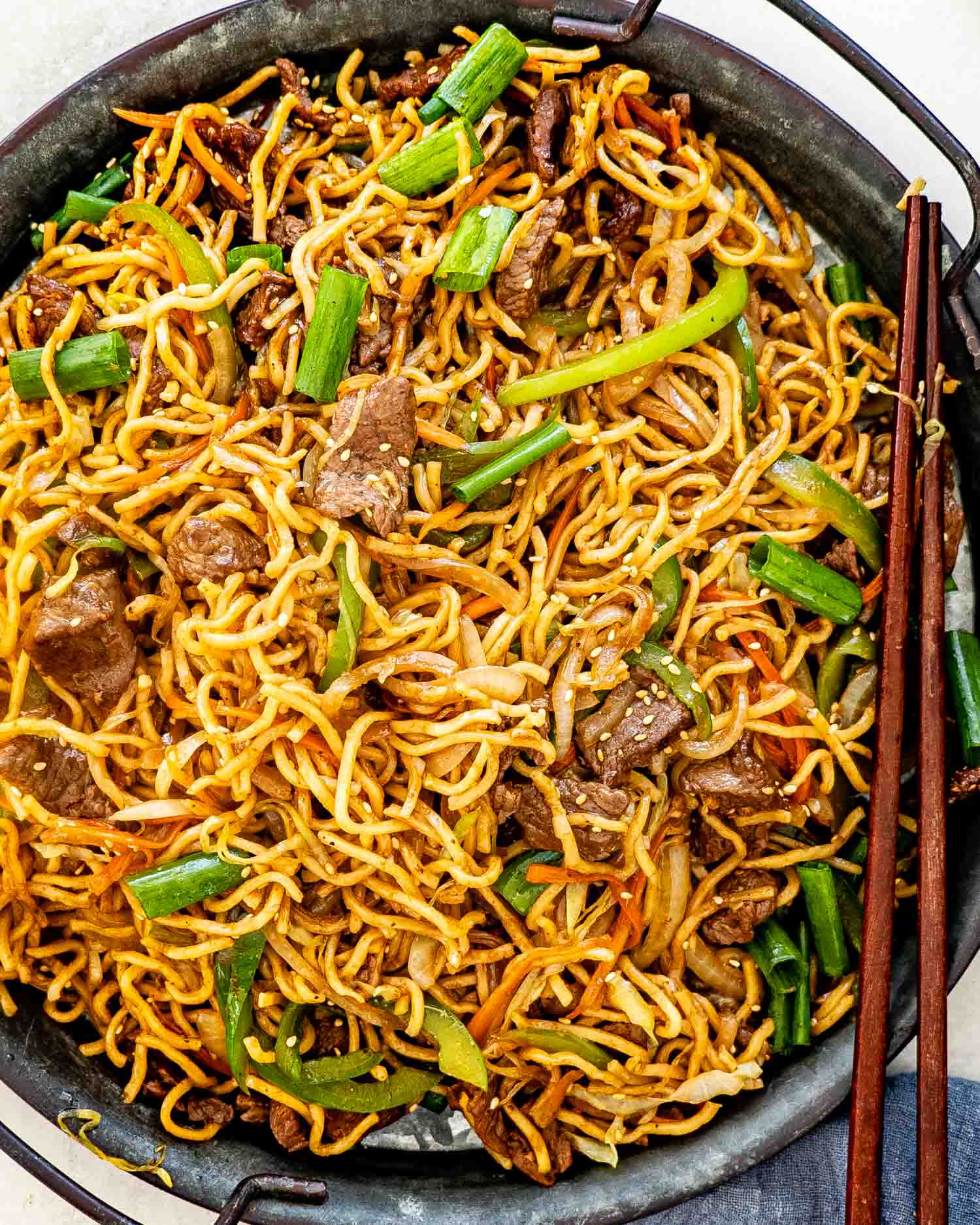
Top Mistakes to Avoid
- Using a cold wok. Stir-fry needs screaming hot heat. If the wok is not hot enough, the beef steams, the veggies wilt, and you will not get that restaurant style sear.
- Crowding the pan. Dumping everything in at once is a recipe for soggy noodles. Cook the beef in batches and give the veggies some breathing room.
- Skipping the rinse. If you do not rinse the cooked noodles under cold water, they will glue themselves together and you will end up with one giant noodle pancake.
- Overcooking the vegetables. Chow mein should have crisp tender vegetables, not limp, lifeless ones. A couple of minutes in a hot wok is all they need.
- Forgetting to taste. Soy sauces vary in saltiness. Always taste before you serve so you can adjust seasoning. Too salty? Add a splash of water. Too flat? A tiny pinch of sugar can save it.
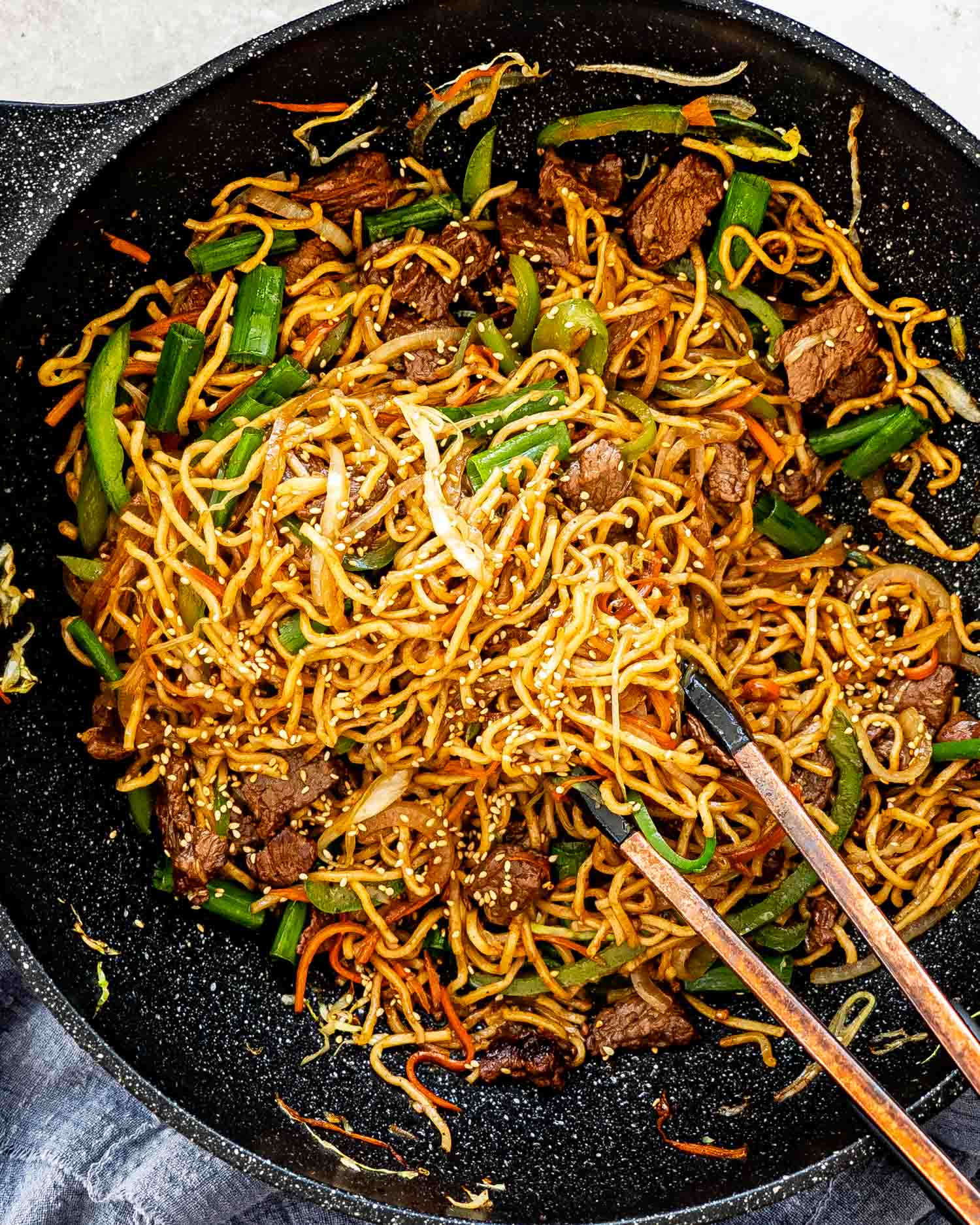
More Asian Recipes
- Chinese Chicken Curry
- Chop Suey
- Chicken Fried Rice
- Char Siu Pork (Chinese BBQ Pork)
- Asian Style Pepper Steak
- Beef and Potato Curry
Before You Begin! If you make this, please leave a review and rating letting us know how you liked this recipe! This helps our business thrive & continue providing free recipes.
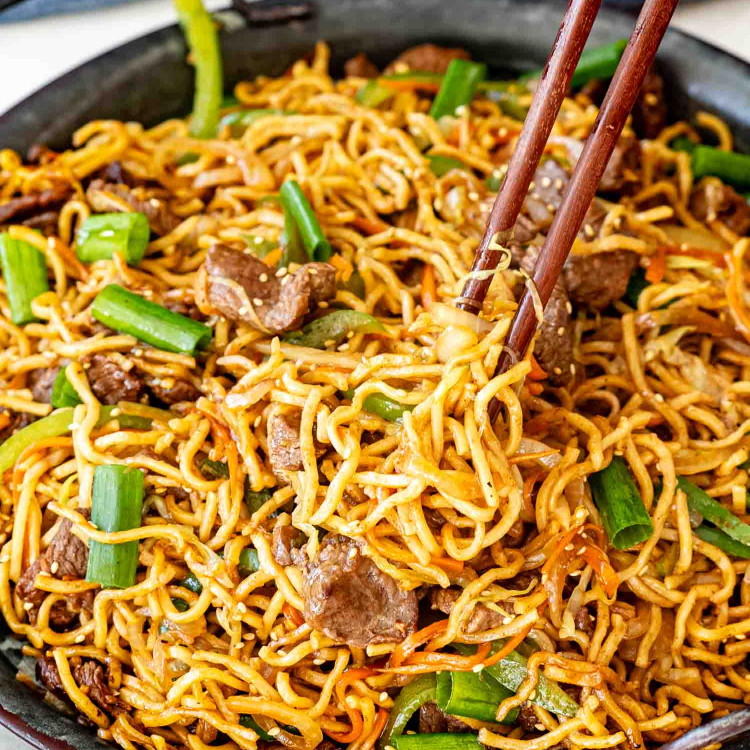
Beef Chow Mein
Video
Ingredients
Sauce
- 2 tablespoons soy sauce (low sodium, divided)
- 2 tablespoons oyster sauce
- 1 tablespoon hoisin sauce
- 1 tablespoon Shaoxing wine
- 1 teaspoon sesame oil
- 2 teaspoons dark soy sauce
- 1 teaspoon sugar
Beef Chow Mein
- 8 ounces chow mein noodles
- 1 pound beef sirloin (or flank steak, thinly sliced against the grain)
- 2 tablespoons vegetable oil (divided)
- 2 cloves garlic (minced)
- 1 teaspoon ginger (grated)
- 1 medium onion (sliced)
- 1 medium carrot (julienned)
- 1 cup cabbage (shredded)
- 1 medium bell pepper (sliced)
- 2 green onions (cut into 1 inch pieces)
- salt and pepper (to taste)
- sesame seeds (for garnish)
Before You Begin! If you make this, please leave a review and rating letting us know how you liked this recipe! This helps our business thrive & continue providing free recipes.
Instructions
- Prepare the noodles according to the package instructions, cooking until al dente. Drain and set aside. If using chow mein noodles, rinse under cold water to stop the cooking process and prevent sticking.

- In a small bowl, combine 1 tablespoon of soy sauce, oyster sauce, hoisin sauce, dark soy sauce, Shaoxing wine, sesame oil, and sugar. Stir well to create the sauce.

- Place the thinly sliced beef in a bowl and add the remaining 1 tablespoon of soy sauce, tossing to coat. Let it marinate for about 5-10 minutes.
- Heat 1 tablespoon of vegetable oil in a large wok or skillet over high heat. Add the marinated beef and stir-fry until browned and just cooked through. Remove the beef from the wok and set aside.
- In the same wok, add the remaining vegetable oil. Sauté the garlic and ginger until fragrant. Add the sliced onion, carrots, cabbage, and bell pepper to the wok. Stir-fry the vegetables for a few minutes until they are tender but still crisp.
- Return the cooked beef to the wok with the vegetables. Add the cooked noodles and the sauce. Toss everything together over high heat until the noodles are heated through and have absorbed the sauce.
- Stir in the green onions and cook for an additional minute. Season with salt and pepper to taste. If desired, sprinkle sesame seeds over the top for garnish.
Notes
- Beef. Flank or sirloin works best. Slice thin and always cut against the grain or your beef will fight back. A quick soy marinade helps it caramelize and stay tender.
- Noodles. Chow mein noodles are ideal, but lo mein, egg noodles, or even spaghetti will do the job. Cook until al dente, rinse under cold water, and they will not clump.
- Veggies. Use the classics in this recipe or swap in what you have. Mushrooms, snow peas, baby corn, or bok choy all work. Just cut them into strips so they cook quickly.
- Hot wok. The secret to restaurant flavor is heat. A screaming hot wok or skillet gives you caramelized beef and crisp veggies instead of sad steamed stir-fry.
- Storage. Best fresh, but leftovers keep in the fridge for up to 3 days. Reheat in a hot skillet with a splash of water to loosen up the sauce. Skip freezing because the noodles will not forgive you.
Nutrition Information
Notice: Nutrition is auto-calculated for your convenience. Where relevant, we recommend using your own nutrition calculations.